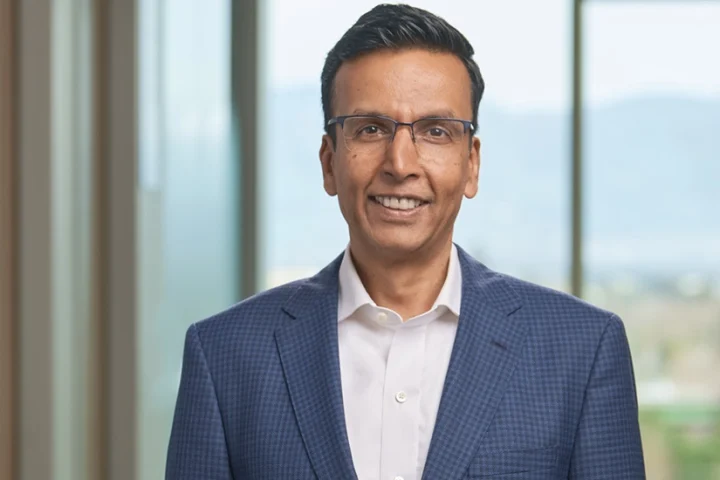



Ata Igdebeli, Sales VP at OctoXLabs, explains how asset intelligence and correlation are helping enterprises move from blind spots to proactive defence.
Can you tell us about OctoXLabs, and why do you think visibility is one of the biggest challenges in cybersecurity?
OctoXLabs was founded in 2021, and we provide Cyber Asset Attack Surface Management solutions, or what we also call asset intelligence solutions. Our core belief is simple: if you don’t know your assets, you cannot protect your environment.
Several industry reports support this. Gartner, for example, highlights that around 70% of CISOs report a lack of visibility, and nearly 65% of breaches occur due to unknown or unmanaged assets.
That’s where OctoXLabs comes in. We provide full asset visibility, enabling organisations to proactively, or even preemptively, secure their environments before breaches occur.
Today, we serve more than 90 enterprise customers across regions including Turkey, the US, Saudi Arabia, the UAE, Oman, Pakistan, and India.
Your platform aggregates data from multiple systems to create a single source of truth. Why is this level of visibility so important for enterprises?
Today, data typically sits in silos, across tools like EDR, DLP, Active Directory, and other security platforms. Each system provides valuable insights, but there is often no centralised visibility. As a result, organisations end up with fragmented information that is difficult to connect and act on.
What we do is aggregate and correlate data from all these sources into a single platform. The real value lies in this correlation.
For example, we might identify newly created servers through VMware data. Then, by integrating with WAF solutions, we can highlight that these servers are not protected. Through Active Directory, we can see that they are not domain-joined. And through vulnerability management tools, we can identify critical vulnerabilities associated with them.
By bringing all this together, we enable organisations to see the full picture—what is exposed, what is unprotected, and what poses the highest risk.
Ultimately, it’s not just about visibility; it’s about correlation and prioritisation, helping customers focus on the risks that matter most.
You also operate with an agentless technology and support 350+ integrations. How important is this level of interoperability in today’s security architecture?
The agentless approach is critical because, in many cases, the agent itself becomes part of the problem. Deploying and managing agents across environments can be complex, resource-intensive, and sometimes incomplete. That’s why we focus on an agentless data collection model.
At the same time, interoperability is equally important. Today’s enterprise environments rely on multiple security and IT tools—EDR, vulnerability management, cloud platforms, identity systems, and more. Without strong integration capabilities, these systems remain isolated, and organisations lose visibility.
This is why we have invested heavily in integrations. In fact, we now support more than 450 integrations globally. This scale is essential because different regions and customers use different technology stacks. Our ability to develop new integrations within a short timeframe, often within two weeks, is a key differentiator.
In addition to integrations, we also have our own scanning capabilities. So we are not only dependent on third-party tools, we can actively scan networks and discover assets independently.
Ultimately, interoperability ensures that all security data is connected, enabling better visibility, faster insights, and more effective risk management.
Attackers often exploit unknown or unmanaged assets. How big is the issue of shadow assets in enterprises today?
Many of our customers are large enterprises with over 100,000 assets. At that scale, managing visibility becomes extremely difficult. Once organisations cross even 1,000 assets, the number of unknown or unmanaged devices starts to increase rapidly.
These “shadow assets,”devices or systems that are not properly tracked or managed, create serious security blind spots. And attackers actively look for these gaps.
.