


Mannai Information Technology built the data platform behind Qatar’s 2022 World Cup while COVID-19 was at its peak. At its debut as a LEAP exhibitor, its Saudi general manager explained why the Kingdom’s simultaneous build-out of transport, event venues and secondary cities demands the same discipline, and why most AI buyers need a diagnosis of their problems before they need a product.
When COVID-19 peaked in 2020, Mannai was two years from the opening match of the FIFA World Cup in Qatar and still building the platform the tournament would run on.
The Qatar-listed group had been working with the Supreme Committee for Delivery & Legacy since 2015, and its task was to take data that was already being generated, mobile data included, and consolidate it into a structure from which applications could be built for enterprises and individual visitors.
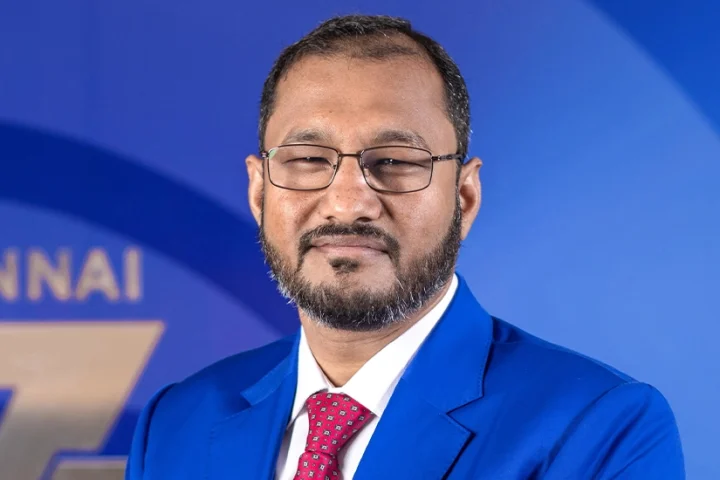
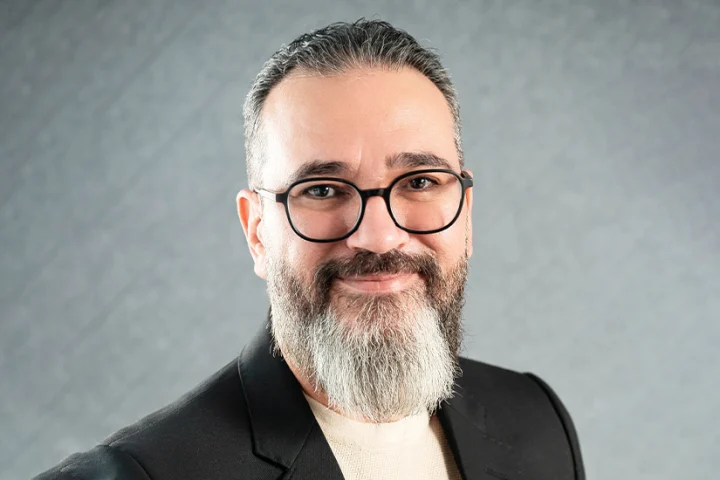
The preparation ran through 2019 and 2020 with little manpower to spare. “Everyone was locked in a room, and then we still have to interact with the customer,” said Lakshimi Narayanan, General Manager of Mannai Information Technology Saudi Arabia.
Narayanan was speaking at LEAP 2026 in Riyadh, where Mannai exhibited for the first time after several years of attending as visitors.
Saudi Arabia is building three markets at once, and each needs its own team
Narayanan described the Kingdom’s development as three tracks running in parallel. The first is transport infrastructure across roads, rail, airports and seaports.
The second is event-driven construction linked to Expo 2030 in Riyadh, the FIFA World Cup 2034 and the AFC Asian Cup. The third is the growth of secondary cities such as Ha’il, Abha and Taif, which he called a natural development that is happening alongside the headline projects.
“These are completely different markets. The customer expectations are different,” he said.
Mannai’s response has been to assign each track to separate business verticals, which on the LEAP stand included connected buildings and cities, AI, enterprise platforms and digital transformation, hyperscale and enterprise data centres, technology contracting, and digital and secure devices. The company opened a regional headquarters in Riyadh in August to bring delivery teams closer to customers, and Narayanan described the combined workload as “a good challenge to have”.
A record that starts with the 2006 Asian Games is Mannai’s case for Riyadh
The group’s events work predates the World Cup by more than a decade. Narayanan traced it to the 2006 Asian Games in Doha, which he described as the first time a regional or global event of that scale came to the GCC, and said Mannai carried the experience through every major event Qatar hosted afterwards.
The World Cup contract tested that experience at full scale, and the sequence it established, consolidating the data first and then building use cases on top, is the one Mannai is now offering Saudi clients.
Most customers are asking for AI before they know what it should do
The largest figure from the stand was the 80-plus MoUs Mannai said it had scheduled with partners and OEMs seeking to work with it in the Saudi market. A smaller set of strategic agreements was reserved for large regional customers who want a seat on a Mannai advisory council that would feed into their own digital transformation plans.
“As much as I wish that every customer would be leading into AI, most of the customers will not understand what the purpose of this AI is in my organisation,” Narayanan said.
Under those agreements, Mannai says it will study each customer’s operational problems before proposing an AI use case to address them.
“We will understand what those challenges are first, and then we will address those with the use cases,” he said. For a company whose Qatar work began by structuring data that already existed, the advisory model applies the same order of operations to customers who are still working out what their AI should be doing.