


Children who began studying artificial intelligence as a school subject in UAE public schools during the 2025–26 academic year will spend their working lives alongside systems that do not yet exist, and the youngest of them will not reach the job market until well into the 2030s. The curriculum they are following seems to anticipate this, because alongside fundamentals and applications, it teaches ethics, innovation and real-world problem-solving, asking students to question the technology as well as operate it.
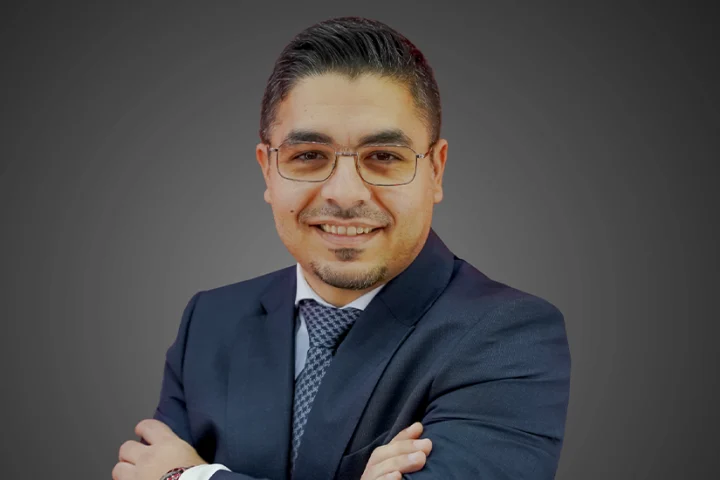
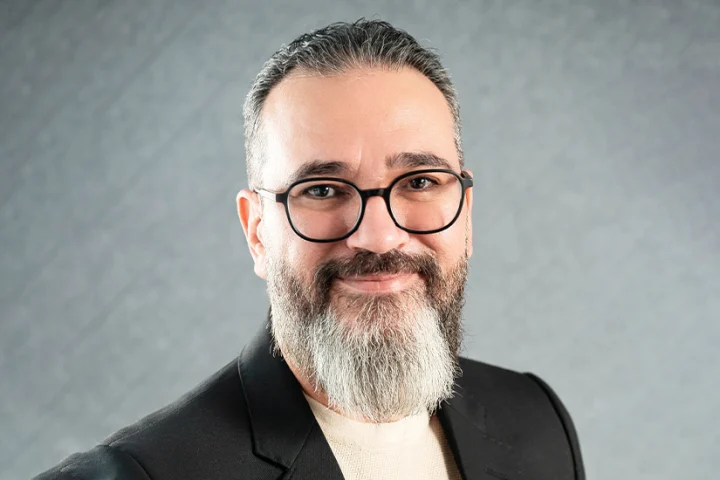
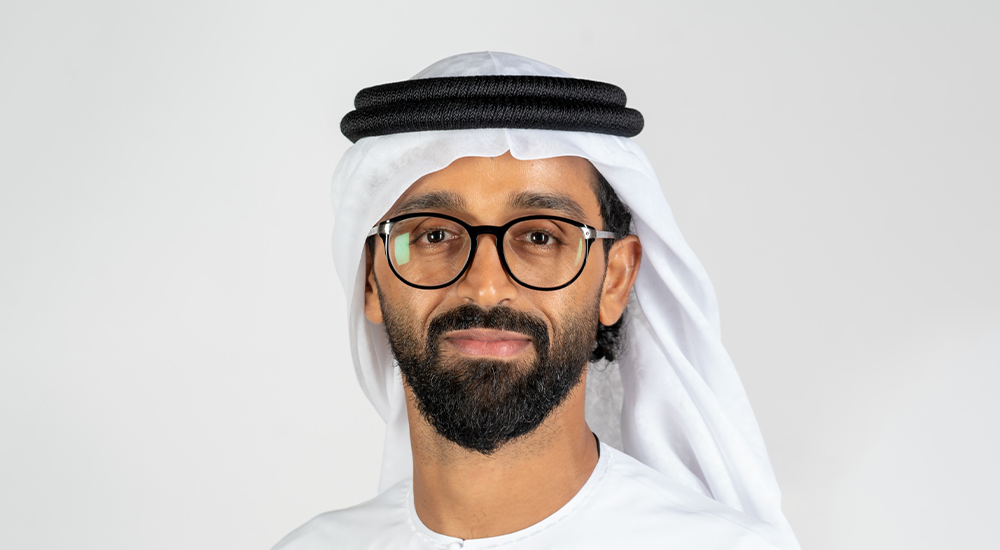
Hassan Alnoon, CEO of Ghisha AI and an Expert in the UAE’s National Experts Program (NEP), works at the far end of that pipeline, with the governments and enterprises those students will eventually join. Ghisha AI builds the security, governance, observability and orchestration layer that allows organisations to run AI across cloud, private, on-premises and air-gapped environments while keeping control of their data. The difficulty his clients face resembles the one the classroom is trying to solve, since AI models are growing more capable faster than institutions are learning to trust them.
Alnoon’s own route into leadership ran through NEP, which he credits with moving him beyond technical expertise towards strategic thinking and with a network of senior government and industry figures he still relies on. His working definition of readiness rests on judgment, meaning the ability to see where AI creates value, where it introduces risk and when its output deserves to be challenged. In this conversation with The AI Times, he explains how that definition applies to students, professionals and organisations, and why he believes agentic AI, which moves from assisting people to executing tasks on their behalf, will be the point at which that judgment is tested hardest.
To begin, could you tell us about Ghisha AI and the challenge you are trying to address as organisations and individuals adapt to an increasingly AI-driven world?
Ghisha AI is a UAE-based technology company helping businesses and governments adopt AI with greater security, control and confidence. Its platform brings together AI security, governance, observability and orchestration, enabling organisations to deploy AI across cloud, private, on-premises and air-gapped environments while maintaining control of their data and operations.
As AI moves rapidly from experimentation to real-world applications, organisations need more than powerful models; they need secure, trusted and compliant systems. Ghisha AI helps address this need by enabling organisations to unlock AI’s potential while protecting security, trust and sovereignty.
As an AI entrepreneur and NEP Expert, how do you define what it means to be “AI-ready” in today’s rapidly changing environment?
I’d define being “AI-ready” as being prepared to do more than simply use AI tools. It means having the mindset, skills and infrastructure to understand where AI can create real value, while also being able to manage its risks responsibly. The National Experts Program (NEP) is a UAE leadership and talent-development program designed to equip Emirati professionals with the expertise, networks and leadership capabilities needed to contribute to the nation’s priority sectors. As an NEP Expert, I have had the opportunity to be part of this community of professionals and leaders, bringing my own expertise while learning from others across different fields.
For me, AI readiness is about continuous learning and the ability to adapt as technologies, models and use cases evolve. It also requires organisations to have the right data, governance and talent in place to move from experimentation to meaningful implementation. Through my experience as an AI entrepreneur and NEP Expert, I see AI readiness as a combination of technical understanding, business thinking and responsible leadership.
AI is evolving at an extraordinary pace, with new tools, models and applications emerging almost every day. How do we ensure that the next generation is not only able to learn and adapt to these changes, but is also equipped with the skills needed to remain job-ready in an AI-driven economy?
I believe preparing the next generation for an AI-driven economy starts with moving beyond teaching technology itself and focusing on adaptability, critical thinking and practical application. AI will continue to evolve, so the most valuable skill will be the ability to keep learning and understand how new technologies can solve real problems.
The UAE is already taking this approach. From the 2025–26 academic year, AI was introduced as a subject across public schools, covering not only fundamentals and applications, but also ethics, innovation and real-world problem-solving. At the workforce level, initiatives such as the UAE Skills Platform are strengthening the connection between education and labour-market needs.
For me, being job-ready means combining AI literacy with human skills, creativity, communication, judgment and leadership. We should prepare young people not simply to work with AI, but to understand it, question it and use it responsibly to create value.
Looking back, how did your experience with NEP, and the community of experts you became part of, help prepare and move forward in your career and entrepreneurial journey?
NEP was a turning point in how I approached both my career and entrepreneurial journey. It allowed me to step beyond my technical expertise, develop a more strategic and leadership-focused mindset, and learn from senior leaders across government and industry. The experience also showed me the value of looking at challenges from different perspectives and connecting expertise across sectors.
Just as importantly, becoming part of the NEP community gave me a network of people I could learn from, collaborate with and exchange ideas with long after the programme ended. That community continues to be valuable as I navigate entrepreneurship and explore new opportunities. For me, NEP was not simply a professional development program; it helped me build the confidence, perspective and relationships to turn expertise into practical impact and keep moving forward.
Beyond technical skills, how important is it for the future workforce to understand the responsible and ethical use of AI? What does “AI literacy” need to look like for professionals who will increasingly work alongside intelligent systems?
Responsible AI use is essential because professionals will increasingly make decisions with AI, not simply use AI tools. AI literacy should mean understanding how AI works, where it can add value, and where its limitations and risks lie, including bias, privacy, security, transparency and accountability. The UAE’s AI Charter places strong emphasis on human oversight, responsible use, data protection and transparency, reinforcing that AI should remain human-centred. I would add that AI-literate professionals should be confident users, critical thinkers and responsible decision-makers who are able to question AI outputs, apply human judgment and use these technologies ethically to create meaningful value.
From your experience in AI, cybersecurity and digital transformation, what are the skills and capabilities that you believe will distinguish the workforce of the future? How is Ghisha AI helping companies develop capabilities that are relevant not only to the UAE, but to the wider regional and global economy?
The workforce of the future will be distinguished by adaptability, critical thinking, cybersecurity awareness and the ability to work confidently with AI, combining technical knowledge with creativity, judgment and continuous learning. The UAE’s focus on building these capabilities reflects this shift, with national programs increasingly connecting AI skills with leadership and organisational transformation. At Ghisha AI, we are helping organisations turn AI adoption into a secure, practical capability by providing the infrastructure to deploy, govern, monitor and orchestrate AI across different environments. This enables organizations in the UAE and beyond to innovate faster while maintaining security, compliance, data ownership and control.
Looking ahead, what do you see as the next frontier for Ghisha AI?
I see the next frontier for Ghisha AI in enabling the agentic AI era, moving from AI that assists people to intelligent systems that can securely execute tasks, coordinate workflows and operate across organisations. Ghisha is already building toward this through governed, observable and isolated AI agents, alongside its sovereign AI platform. The opportunity is to make these capabilities trusted and scalable for governments, enterprises and critical industries, particularly where security, sovereignty and control are essential. I want Ghisha to become the trusted infrastructure that allows organisations to embrace autonomous AI confidently, responsibly and at scale.