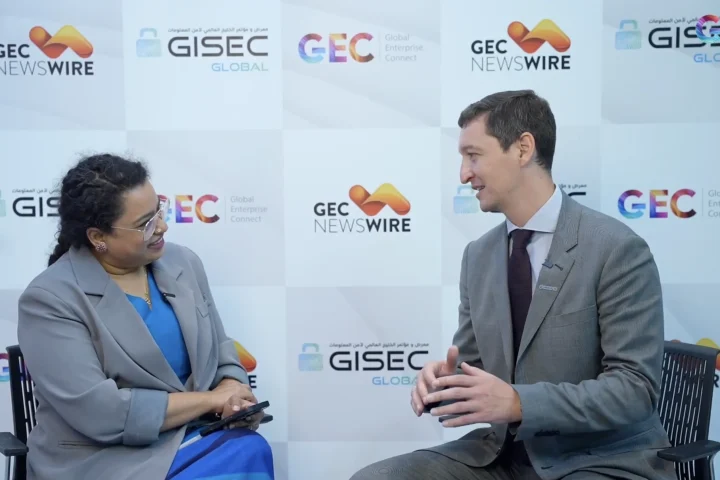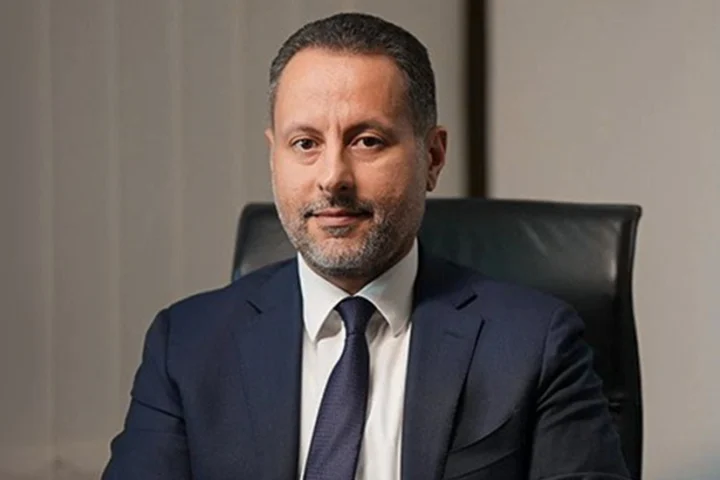

At GISEC, Maher Jadallah, Vice President, Middle East & Africa, Tenable, traced the biggest AI risk inside most organisations back to an employee trying to finish a report on time
The scenario Maher Jadallah, Vice President, Middle East & Africa, Tenable, described at GISEC was mundane. A manager asks for a report, an employee opens an AI application of their own choosing, uploads a confidential document to speed things along, and sensitive data leaves the organisation without anyone having approved it.
“I think the shadow AI is the major thing CISOs wanted to see, which is when the organisation users start to use their own AI application to do something,” he said.
Tenable, which calls itself the cyber exposure company, returns to the Dubai event every year, and Jadallah used this edition to explain how it is extending exposure management to the risks that arrive with AI adoption. He dismissed any suggestion of a rebrand, saying the company had studied what the market needed and mapped the importance of AI to growth against the importance of securing it. AI helps organisations, he said, only when it is used properly, and neglecting it opens a huge risk, whether through deliberate misuse or an accidental data leak.
Context exposes what a single prompt conceals
Companies once ran AI in silos, in what Jadallah called a vacuum model where nobody could see what was happening. Tenable’s approach reads the context in which AI is being used and weighs it against the criticality of each organisation’s assets, pairing its exposure management platform with agentic AI to detect and fix problems in time.
“We don’t only look at the prompts, we look at the total context of the conversation happening across the network,” he said, adding that the capability was always on and saved teams from repeatedly fixing prompts.
Attackers are already using AI to find the weak spot first
Jadallah argued that security teams relying on older tools are falling behind, because adversaries now use AI to locate vulnerabilities and weak points inside an organisation and can strike immediately once they find one.
“Legacy technology is not in line with what’s happening with AI,”
He was sceptical of security leaders who feel settled. In his view, pairing confidence with cybersecurity was a mistake, since protection demands continuous work to expose risk, identify the critical assets on the network, separate what matters from what does not, and match security tools to business needs. AI, he said, accelerates that coverage.
“Without the usage of AI, I think we’re going to be behind,”