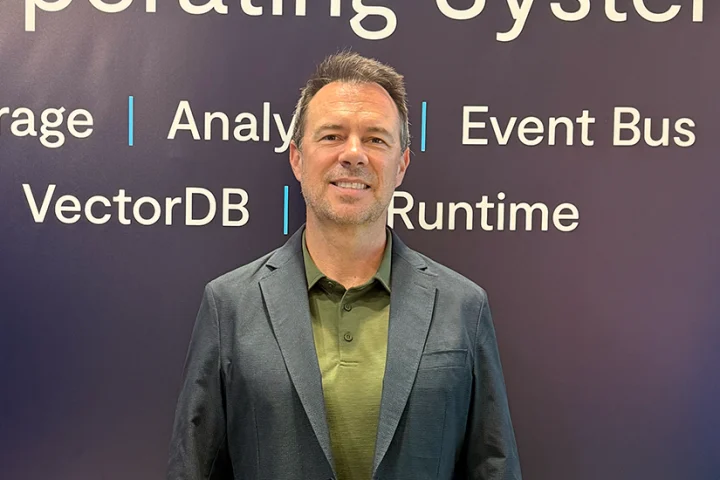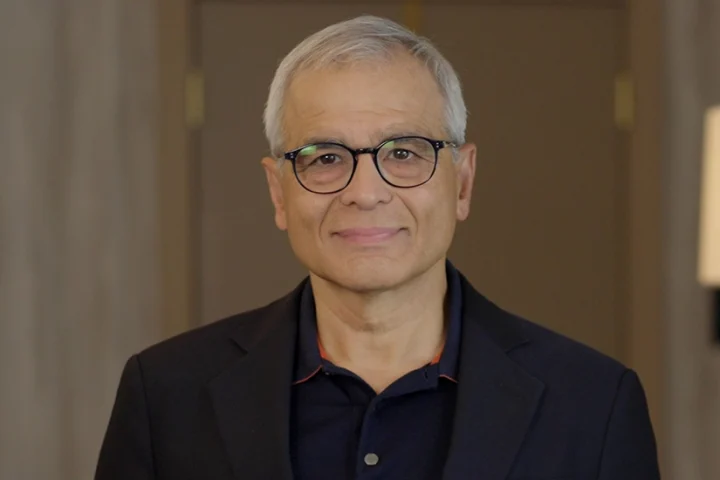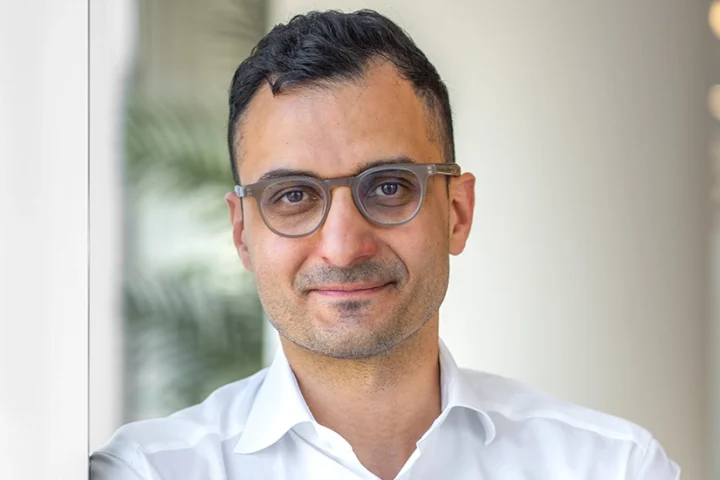




Sovereignty dominated conversations at Dell Technologies Forum in Dubai on 15 October 2026, from the keynote stage to the exhibition halls. For Adrian McDonald, President, EMEA at Dell Technologies, the word means many things to many people, but at its core it comes down to control. Organisations want their data under their own jurisdiction, performing the way they need it to, at a price they can live with. Speaking to GEC Media on the sidelines of the event, McDonald discussed how sovereignty requirements reshape AI architecture, why pilots stall, and how governance can keep pace with technology that changes every few weeks.
Sovereignty has been a recurring theme at the forum, from the keynote to the exhibition floor. Where do you see this push headed?
You used the right word there, and it’s an important one, because sovereignty can be a bit confusing. It means many things to many people. But the word that matters is control. What’s happening as we move to artificial intelligence is that the importance of data has grown enormously. I think it has become even more important, more essential and more critical for everyone than it was before. People understand that data can deliver incredibly good things, but they also understand that there are real issues around data being mistreated or mishandled.
So in this AI world, with all these possibilities, there is a heightened need for control. Likewise, there is a heightened need for legal jurisdiction. Most organisations, and certainly government organisations, don’t want their data subject to anyone else’s regulations. I think that is very much the case today.
The good news here is that we promote choice, and specifically strategic choice. We can give our customers as much sovereignty over their data as they want, or as little as they want. And understanding your data, what you are using it for and what the outcomes of that data are, helps you draw a map of how each type of data should be protected, and then move each of those forward accordingly. We have practices for this, and we have specialists who work with customers on these specific subjects.
But clearly, control of data is the starting point. Once I have control, the next questions follow. Is it performing? Is it fast enough? Is it open enough? Can I feed the business outcomes I want well enough? And does it come at a price or a cost? People want sovereign data, but they don’t want to pay more for it. Getting that balance right is what customers are asking us for.
Sovereignty rules differ across the UAE, Saudi Arabia, India, the UK and the EU. Does that change the way you design and develop an AI factory for each, compared with a multinational deployment in, say, Frankfurt or Dubai?
The AI factory concepts themselves are universal. You can use them anywhere, for anything, and that doesn’t change from one country to the next. What changes is the data architecture.
When we work with an individual government agency or an individual customer, we start by understanding what is important to them around their data, and in many cases we help educate them on it. Then we help them engineer and architect environments where each of their data pools is treated the way they want it to be addressed. So the data topography becomes specific to that customer and that jurisdiction, even though the underlying AI factory approach stays the same.
We have a very well-developed set of professional services skills that help people on those journeys. Candidly, though, it is such an important subject that most of our customers already have pretty good skills in those areas themselves. And in many of those aspects, I think the UAE leads the world.
AI has dominated the global conversation for the past two to three years. What have you learned in that time, and how should a GCC CEO approach deployment as a result?
The first thing is the sheer potential of AI. It is genuinely new. It is completely different. There has been nothing like this before. It completely transforms business performance and government-to-citizen services, and it transforms healthcare outcomes. It’s here, it is incredibly important, and you cannot avoid doing it.
The second thing is that we are in an environment where strategic choice is becoming more important than ever, and we are the strategic choice vendor. What customers tell us comes down to a few things. They must have control of their data, and therefore the performance from that data that they require. They must have the sovereignty levels, the resilience levels and the cybersecurity levels that they require. And, candidly, they want to be able to shop around and get the cost levels that they require.
Curiously enough, I’ve seen these waves come and go over the last 40 years. Right now, the wave is about building more local capability to run a controlled data environment for AI, especially in the UAE and especially in the environment that we’re in today. And I would say it has never been more important to work with trusted partners. Trust is a huge, huge subject, and for a GCC CEO, choosing who you build with matters as much as what you build.
Speaking of trust, confidence in AI has been uneven. It started with hallucinations in generative AI, and now there are debates around data centres, shadow AI inside organisations and the sheer number of agents being deployed. Organisations and governments are bullish, yet there is resistance. How do you take deployments beyond the pilot stage, where so many stall or die out?
I see a world where people are moving as fast as they can to get the benefits of AI. If you are a company today, a non-AI company cannot compete with an AI company. It will lose, for a fact, and all the boardrooms know that. That is what is driving the urgency.
Beyond the noise, we have to be focused on safety, governance and those types of areas. That is where we are and where we will continue to be, and we help our customers in those regards so that what they deploy can scale.
But what I see every single day is people finding new ways of driving business outcomes, healthcare outcomes and government outcomes, and that is moving incredibly quickly. I’ll go further. There is the debate around energy, and I think successful democracies, successful countries, will be the ones able to develop plentiful green energy at pace to drive those outcomes. Bringing on more plentiful, affordable green energy is not a sign of weakness. It is a sign of strength.
There is still confusion around AI governance, from rules and regulations to where the guardrails should sit. Where do you see it headed, and can we expect some stability in the coming months?
Let’s face it, these are fast-moving subjects. Very fast-moving. The companies we deal with are constantly trying to predict what the compliance environment might look like going forward, and for the most part, I think they do well. They look at the situation and say, these practices are likely to be good, and these other practices might become an issue, and they plan around that.
For the most part, people are also moving at pace to engage with government authorities. There is a lot of engagement, and the message from industry is clear: if you’re going to make a change in legislation, please tell us early. That way, organisations can architect what they want to do and build systems not just for the medium term, but for the long term.
Models are changing every few weeks, there are new announcements daily, and governance by nature is a longer-term exercise. How do you govern something moving this fast?
It’s a challenge, and I won’t pretend otherwise. But I would bring that question back to you: what are you actually seeing from AI? What I’m seeing is companies providing better services and better products at lower costs to the market, and driving better customer satisfaction at a pace that has never been seen before. All of that is good, and it will continue. The job for governance is to keep up with that progress, not to stand in its way.