



Inception42, the sovereign agentic AI company within Abu Dhabi’s G42, launched Insight at AI Everything Abu Dhabi on 6 October. The platform is built for boards, executive committees and the leadership forums below them. It runs as SaaS or on private cloud, with an English and Arabic interface across web, mobile, desktop and voice.
The launch extends a commercial turn that has been under way for some time. Inception began in 2017 as a research institute building frontier models, produced the Arabic large language model Jais, and moved towards market-facing products in 2024, the year Ashish Koshy became chief executive. Insight takes that product strategy into the meeting where an organisation commits its capital, appoints its leaders and signs off its strategy.
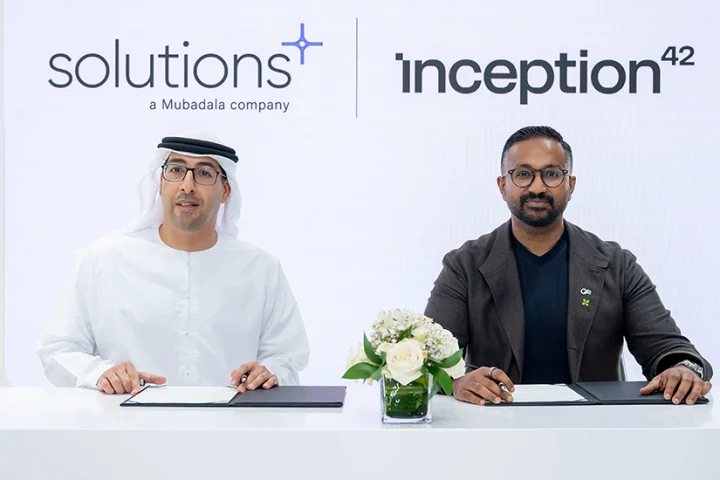
Ashish Koshy, CEO of Inception42, said the product had been developed inside government and enterprise boardrooms before it was offered more widely. “Insight was shaped inside some of the most demanding boardrooms in the UAE, and it has proven its value where the stakes are the highest,” he said. “With today’s launch, we are opening that capability to every organisation that takes its decisions seriously.”
Regional directors already say their information is the weak link
The commercial case rests on a problem that directors in the region have named themselves. Board Intelligence’s Board Value Index for the Middle East, published in winter 2025, found that 41% of directors saw the quality of information reaching the board as a key barrier to agile decision-making, while 38% pointed to rigid decision frameworks. The same study found that 41% of boards spend more time reviewing past performance than planning ahead, and only 38% said they prioritise forward-looking discussion.
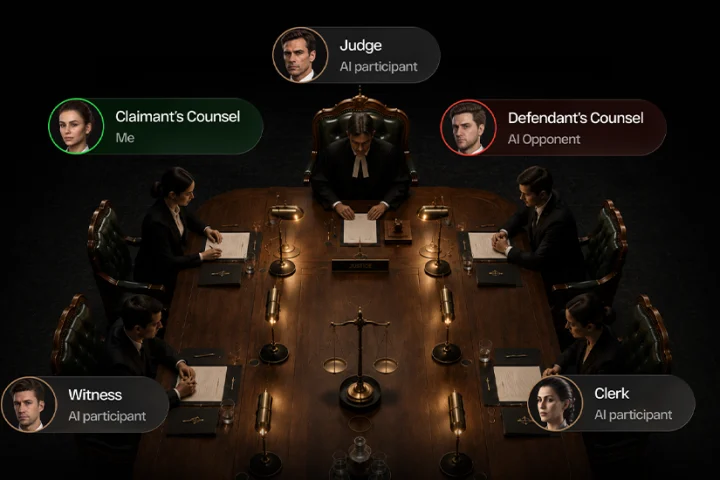
Insight is built to work at each stage of the meeting cycle. Before a meeting, it produces AI summaries of board papers, helps build the agenda and offers what Inception42 calls decision simulation. During the meeting, directors can query the material through an AI chat interface, see real-time insights and vote inside the platform. Afterwards, the system records decisions, drafts minutes and pulls out action items, so the outcome of each discussion is tied to named follow-up.
Inception42 calls the accumulated record of those meetings the organisation’s “executive meeting brain”. It is a store of institutional knowledge that grows with every session, and the platform’s reasoning layer can draw on it when the next decision comes up. For boards that rotate members on fixed terms, being able to see how and why a previous board settled a comparable question is a practical gain, provided the record is accurate and complete.
The proof is still held behind closed doors
The company says Insight is already deployed in executive meetings across government and enterprise. It has not named those organisations or said how many boards use the platform. It has also not published any measure of what changed once they did, such as preparation time, the time between a meeting and the issue of approved minutes, or the share of action items closed on schedule. Without that baseline, the claim that Insight enables “faster and more confident decisions” remains the company’s own assessment.
Decision simulation needs the same scrutiny. Inception42 has not explained what the feature models, which data it draws on, or how a board should weigh its output against the judgement of its own members and advisers. Minutes and recorded votes also carry legal weight, and organisations adopting the platform will want to know how AI-drafted minutes are checked and approved before they enter the company record.
Sovereignty is the feature most likely to decide adoption in the region
Inception42 puts data control at the centre of the offer. Insight can run on sovereign cloud infrastructure and integrates with the office suites and productivity software organisations already use. It applies zero-trust security, role-based access controls and AI guardrails to keep board data under the organisation’s control. Entities with stricter sovereignty or integration requirements can deploy it on private cloud or in a dedicated environment.
That flexibility matters in a market where many of the most consequential boards sit inside government entities and state-linked enterprises, and where Arabic is the working language of the boardroom. The SaaS version is meant for faster rollout, and Inception42 expects organisations to start with a single board or committee before extending the platform across subsidiaries, committees and leadership forums.
Koshy argued that the people carrying an organisation’s biggest decisions should have tools to match. “Boards and executive teams carry the weight of an organisation’s most consequential choices, and they deserve intelligence equal to that responsibility, on infrastructure they can trust,” he said. The first public test of that argument will come when Inception42 names the boards that have used Insight and shows what their meetings now produce that they did not before.