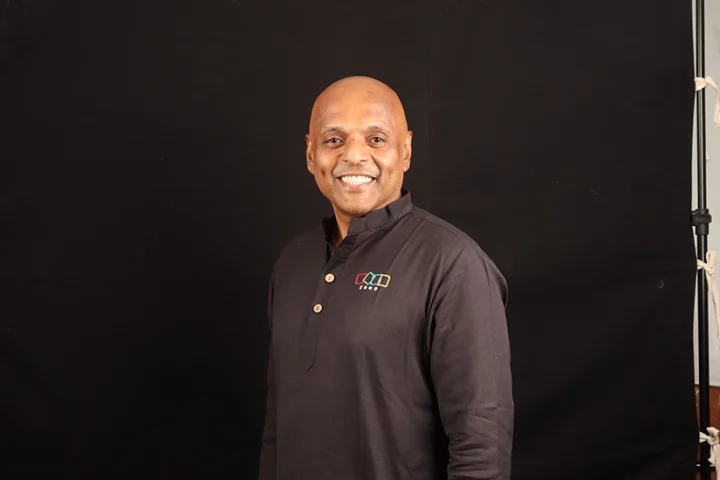




We caught up with Zoho co-founder and CEO Shailesh Davey at the company’s sprawling campus in Chennai, India, to discuss a wide range of topics, including technology disruption, long-term independence in a consolidating SaaS market, customer-led product design, and how Zoho is preparing for the next wave of AI-driven transformation.
Few enterprise technology companies have lived through as many platform shifts as Zoho. From the early days of virtualisation to smartphones, cloud, cloud-native architectures, and now AI-driven systems, the company’s journey reflects a consistent philosophy: while change is inevitable, preparedness is a choice.
Looking back, Davey sees clear patterns across decades of disruption—but also a hard truth.
“Change is constant,” he says. “The challenge is that you can’t always predict what the next change will be. What you can do is recognise it early and act decisively.”
He points to the mobile revolution as a defining moment. When the iPhone arrived, it wasn’t just a new device—it triggered an entirely new ecosystem. Zoho responded by retraining its developers, shifting skills internally rather than hiring externally.
“You can’t predict the future,” Davey explains, “but you can prepare for it by accepting change early.”
That same mindset has shaped Zoho’s approach to AI. The company has moved steadily from classical machine learning to deep learning, generative AI, and now agentic AI—learning and adapting at each stage, with a focus on applying technology where it solves real customer problems rather than chasing trends.
Independence in a Consolidating SaaS Market
In an industry increasingly dominated by venture capital and private equity ownership, Zoho remains privately held. Davey acknowledges that this sets the company apart, particularly as consolidation accelerates and pricing pressure mounts.
“There are different philosophies—almost like different religions,” he says. “What works for one company may not work for another.”
Zoho’s choice, he explains, has been to operate as a long-term product company: reinvesting heavily in R&D, building skills internally, and resisting short-term optimisation strategies. He contrasts this with the impact of private equity ownership on some competitors, where price hikes often follow acquisitions.
“We didn’t know which product would become a hit,” Davey admits. “Sometimes we joke that we grew big while searching for what would grow big. But our principles stayed constant—build strong products, invest for the long term, and do right by customers.”
Why Zoho Built Its Own Data Centres Early
One of Zoho’s most unconventional decisions was to run its own data centres long before cloud infrastructure became mainstream. Davey likens the move to Apple’s decision to design its own chips.
“When you rely on someone else’s design, it’s built for many use cases,” he explains. “Apple designs chips specifically so its software runs optimally. When you control the full stack, you can optimise far more deeply.”
For Zoho, infrastructure represents a major cost component of SaaS delivery. Owning and operating its data centres gave the company tighter control over performance, efficiency, and long-term costs—benefits it believes can be passed on directly to customers.
“It required learning beyond software,” Davey says, “but that expertise made us more resilient and independent over time.”
Customers as Co-Designers
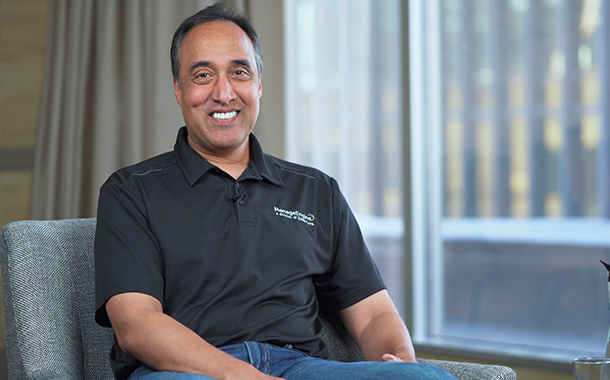
Customer feedback has played a formative role in Zoho’s evolution, particularly within its ManageEngine portfolio—and that hasn’t changed with scale.
Internally, the company jokes that customer requests posted on public forums receive faster action than internal escalations. The humour reflects a deeper truth: customer input is treated as a strategic signal, not noise.
“Customers face real problems first,” Davey says. “That insight is invaluable.”
While not every request is implemented, patterns matter. When feedback reflects a widespread need, it shapes product roadmaps. Senior leadership continues to review customer support interactions and engage directly with users, maintaining feedback loops that many companies lose as they grow.
Knowing When to Pivot
Deciding when to pivot—or retire legacy approaches—is what Davey calls the “million-dollar question.” Zoho has pivoted at least three times, each successfully, and now faces another inflection point with AI.
Rather than expanding headcount aggressively, Zoho’s approach is deliberate.
“We tell our teams: do more with the same,” he says. “AI is meant to make us more efficient, not force constant hiring and firing.”
AI capabilities are already embedded into Zoho’s products. The next step, Davey believes, is ensuring employees themselves adopt these tools deeply—learning alongside customers.
“When you don’t rely on a hire-and-fire model, you’re forced to think differently,” he adds. “You focus on efficiency, learning, and long-term resilience.”
As Zoho navigates the AI era, that discipline—built over decades of disruption—continues to guide how the company evolves. In an industry often driven by speed and scale, Zoho’s strategy remains grounded in patience, preparedness, and purpose.