


NeoCloud is the decentralized, AI-native infrastructure model that represents the future of data centers. The traditional data center is facing a breaking point. As artificial intelligence (AI), machine learning, and edge computing demand unprecedented levels of processing power, corporate data facilities are struggling with sky-high energy costs, hardware shortages, and rigid architectures. By reimagining how compute power is distributed, scaled, and sustained, NeoCloud is shifting the tech landscape away from centralized server farms toward a more agile, efficient digital grid.
Here is why this new architecture is poised to redefine infrastructure.
Built from the Ground Up for AI
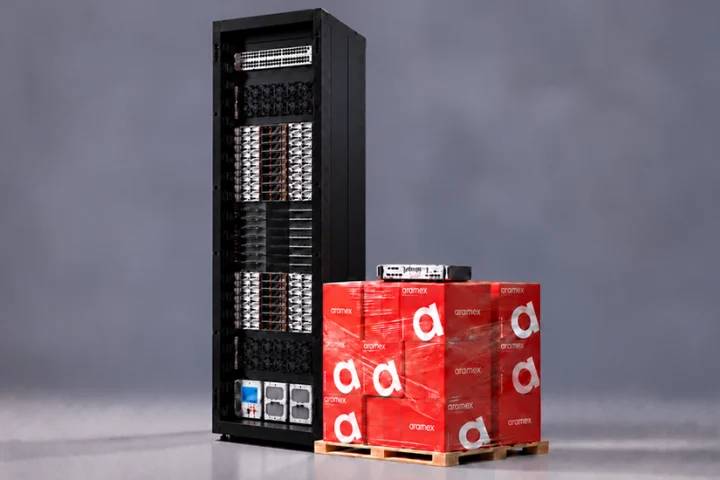
Traditional cloud platforms were built for static data storage and basic web applications. They are inherently poorly equipped for the massive parallelism required by modern AI workloads. NeoCloud architectures are purpose-built for high-performance computing (HPC). They specialize in clusters of advanced Graphical Processing Units (GPUs) and Tensor Processing Units (TPUs). Instead of trying to retroactively fit AI demands into legacy infrastructure, NeoCloud providers deploy specialized environments. These environments handle massive LLM (Large Language Model) training and real-time inference seamlessly.
Decentralization and Edge Proximity
Unlike traditional data center giants that rely on massive, centralized facility hubs, NeoCloud leverages a distributed network model.
- Reduced Latency: Processing data closer to the source eliminates the delay of routing information across continents.
- Smart Resource Routing: Compute workloads are dynamically directed to where capacity is cheapest and most available.
- Enhanced Security: Distributing data across a network reduces single points of failure, making systems highly resilient against targeted outages or cyberattacks.
Unlocking Unused Global Compute
One of NeoCloud’s most revolutionary traits is its ability to aggregate supply. Rather than waiting years to construct physical concrete facilities, NeoCloud can tap into a global ledger of distributed, enterprise-grade data centers. By pooling underutilized resources from around the world into a single virtual supercloud, it solves the global hardware shortage. This democratization allows startups and researchers to access elite computing power without paying the premium prices commanded by traditional tech monopolies.
A New Standard for Sustainability
Data centers are notorious energy consumers, but NeoCloud introduces a smarter approach to environmental impact. Because its architecture is decentralized, workloads can be dynamically shifted to nodes operating in regions with a surplus of renewable energy, such as solar, wind, or geothermal power. Furthermore, by optimizing server efficiency and eliminating the massive overhead required to cool centralized mega-facilities, NeoCloud slashes the aggregate carbon footprint of heavy cloud computing.
The Path Forward
The data center industry is undergoing a forced evolution. The old model of building larger, more centralized server warehouses is no longer sustainable or fast enough to keep pace with the exponential growth of technology. NeoCloud is the future because it replaces rigid, costly physical constraints with fluid, intelligent, and hyper-scalable software-defined networks. By making high-performance computing more accessible, sustainable, and resilient, NeoCloud isn’t just changing how we store data—it is building the foundational engine for the next generation of human innovation.