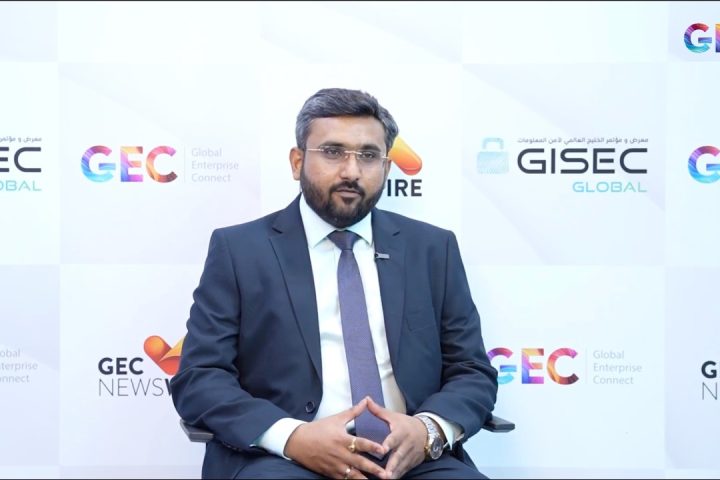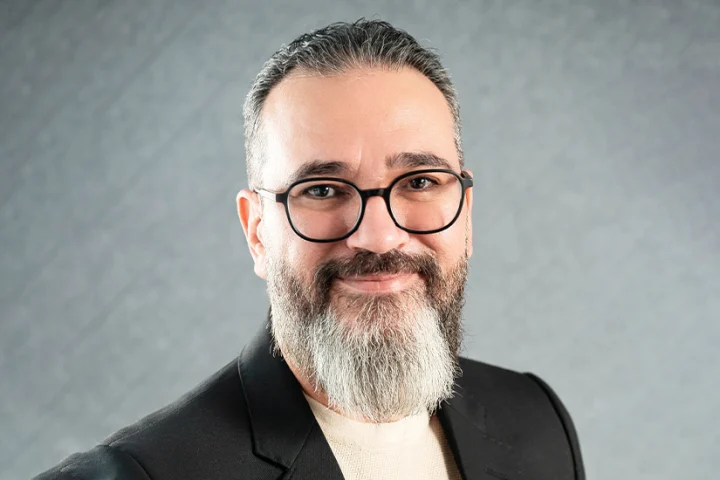



Dimitris Gavrilis, CEO, Evolvable AI, told GEC Newswire that organisations deploying AI at scale have lost the ability to watch it by hand, and that a human signature on critical actions is the control that matters.
The monitoring problem starts with volume. Dimitris Gavrilis, CEO, Evolvable AI, said systems now generate content “in great quantities for very short times”, which puts human oversight beyond reach. “A human can’t monitor it,” he said, arguing that the conclusion follows: “It’s inevitable that you have to use AI to secure AI.”
The second risk in his account is autonomy without brakes. AI “can run rogue and can actually do a lot of damage if left uncontrolled”, Gavrilis said, which leaves critical actions requiring review and a signature from a human operator. He described accountability as a design requirement rather than a policy question, with every task traceable to the person who authorised it. “The human is actually in control, not the AI,” he said.
That logic leads to an architecture he described as an operating system for AI, a layer through which every AI operation in an organisation is routed so traffic can be inspected and stopped when something looks suspicious. Evolvable AI, which he founded and positions as a sovereign enterprise platform with a cybersecurity focus, is built to sit in that position.
The company says it has built-in measurement of ROI for individual operator tasks, training of small language models on customer data, deployment on customer premises, agents running on edge devices without GPU inference, and low-code tooling. No performance data, customer references, pricing or independent validation were provided for any of these claims, and the ROI measurement has no published baseline.
Agent identity is the next 12 months
Asked what changes next, Gavrilis pointed to 3 specific areas: securing AI with AI, managing the identities of agents, and handling complex data structures with agents that evolve over time and adapt to different domains and needs.