

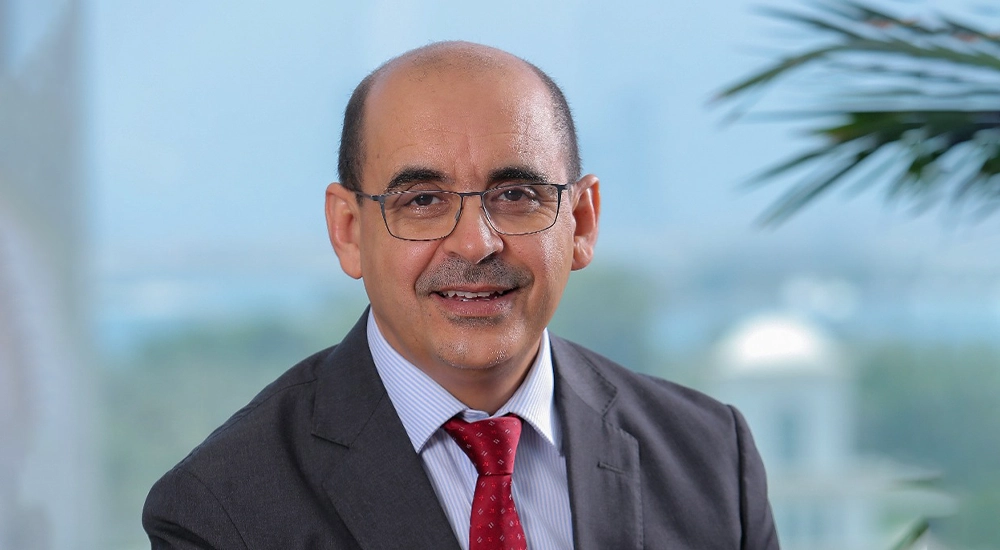
Professor Mohamed-Vall M.Salem Zein, president of the University of Wollongong in Dubai (UOWD), writes about Dubai’s evolution into a globally trusted higher education hub.
The global higher education landscape is undergoing a structural shift. Students and families are increasingly re-evaluating where and how they access internationally recognised education, as new regional hubs demonstrate the ability to deliver high-quality outcomes within integrated and stable environments. A defining feature of this evolution is trust, with decisions closely tied to confidence in the institution, the regulatory environment, and the long-term value of the qualification. This shift has been supported by purpose-built education ecosystems, clear regulatory oversight, and sustained collaboration with international academic and industry partners.
Within this context, the United Arab Emirates has positioned itself as an increasingly important global education hub. National strategies focused on building a knowledge-based economy place higher education at the centre of economic and social development. At the emirate level, Dubai’s Economic Agenda D33 reinforces this direction, with a clear ambition to attract leading international institutions and further establish the city as a global centre for higher education, talent, and innovation.
Dubai’s Growing Education Ecosystem
Recent market intelligence reflects a strong and sustained growth outlook for the Dubai higher education sector, supported by favourable macroeconomic conditions, enabling policy settings, and continued demand for reputable international education. This creates clear opportunities for established institutions to strengthen their market position, reinforce core disciplines, and expand selectively in response to evolving student and industry needs.
From a regulatory perspective, the UAE Ministry of Higher Education and Scientific Research has introduced an outcomes-based evaluation framework (OBF), representing a significant shift in how higher education quality and performance are assessed in the UAE. These requirements place greater emphasis on measurable outcomes, external relevance, and continuous improvement, reinforcing the need for institutions to deliver strong value and prepare future-ready graduates.
UOWD’s Position within a Competitive Market
The University of Wollongong in Dubai operates on a dual-accreditation basis: degrees meet Australian academic standards while holding full UAE regulatory recognition, giving graduates qualifications that are portable globally and validated locally.
This model is producing measurable results. According to UOWD’s Graduate Destination Survey (2017–2023), 85% of graduates secured employment within six months of completing their studies, a reflection of programme alignment with high-demand sectors including artificial intelligence, digital transformation, creative media, and sustainability.
UOWD’s next phase of growth will focus on specialist, high-impact programmes and deeper industry integration, responding to what an international student body increasingly expects: flexibility, relevance, and a clear line of sight to career outcomes.
Looking Ahead
Dubai’s role within this landscape is distinctive. It is not simply a location for international campuses, but an enabler of a broader transformation in how higher education is delivered and accessed. Its combination of regulatory clarity, global connectivity, and long-term strategic vision provides a platform for institutions to innovate while maintaining consistency in standards. For students, this translates into an education experience that is globally recognised, locally accessible, and aligned with future workforce demands.
Flexible delivery models, including hybrid learning and micro-credentials, are likely to become a major determinant of institutional success as universities respond to evolving learner expectations for flexibility, accessibility, and relevance. These approaches enable institutions to adapt while maintaining continuity and academic rigour.
Within this evolving environment, UOWD’s focus remains clear: to deliver globally recognised education, contribute to national development priorities, and support students in achieving meaningful and sustained career outcomes.