


The grant funds work to run TII’s SADEED predictive maintenance platform directly on Qualcomm’s Dragonwing IQ9 edge processor, keeping safety-critical aircraft health data off the cloud.
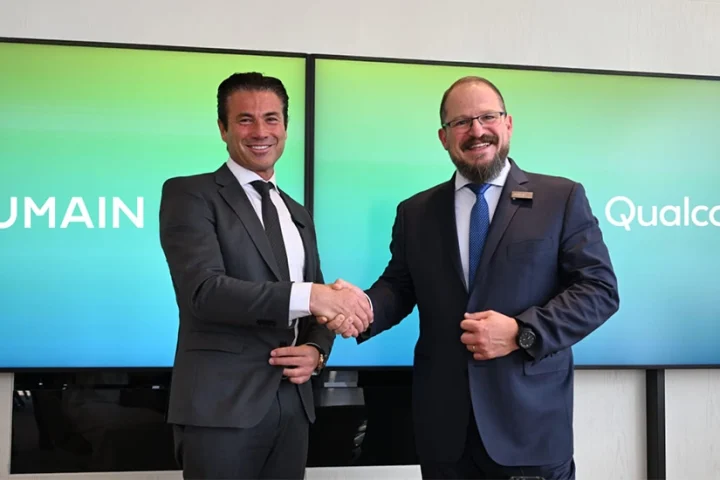
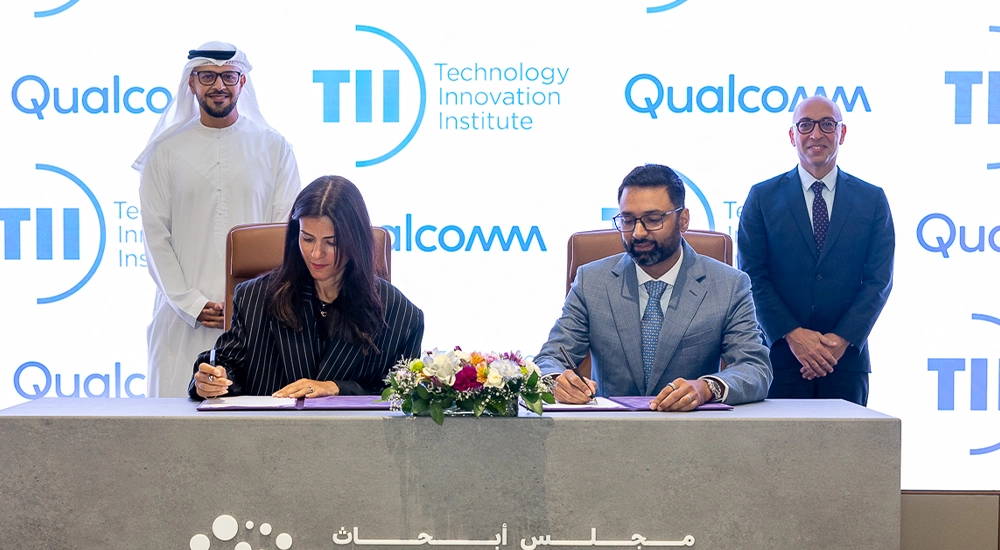
The Technology Innovation Institute has become the first Middle East institution to receive a Qualcomm Tech for Good Grant, the two organisations announced on 8 September. The award funds a research collaboration to adapt TII’s proprietary SADEED Prognostics and Health Management platform for deployment on Qualcomm’s Dragonwing IQ9 edge AI processor.
The technical objective is to let SADEED assess the health of safety-critical aircraft systems onboard, without depending on continuous cloud connectivity. Applied to cargo drones and future electric vertical take-off and landing aircraft, the platform is designed to detect early indicators of component degradation before they become failures.
Commercial Advanced Air Mobility remains constrained by a maintenance model built for conventional aviation, in which airworthiness is assured through scheduled inspections and predefined maintenance intervals. SADEED continuously monitors critical systems and applies AI to identify patterns and anomalies that signal emerging faults, which supports a move towards condition-based maintenance. Running that analysis locally speeds up decision-making and keeps operational data at the edge.
The work builds on more than two years of research by TII’s AI Diagnostics and Prognostics team within its Propulsion and Space Research Center, part of the applied research arm of Abu Dhabi’s Advanced Technology Research Council.
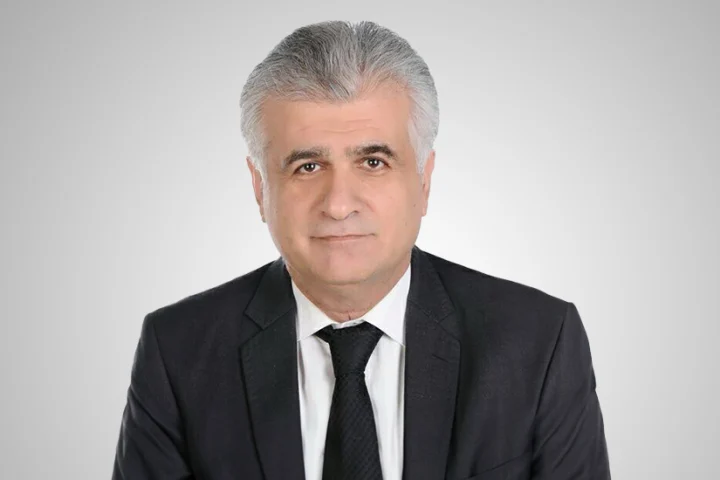
Dr Najwa Aaraj, CEO of the Technology Innovation Institute, said: “The future of aviation will depend not only on how aircraft fly, but on how intelligently they understand and manage their own health. SADEED gives aircraft the ability to identify emerging issues before they become critical failures, helping enhance safety while reducing unplanned downtime and maintenance costs. Because SADEED is platform-agnostic, its potential also extends well beyond Advanced Air Mobility to industries where the reliability, performance and safety of critical machinery are paramount.”
Dev Singh, Vice President, Business Development at Qualcomm International, described the use case as physical AI in operation. “Autonomous aircraft and cargo drones are a powerful example of Physical AI in action and cannot rely on a connection to the cloud to know something is wrong. Running TII’s SADEED platform on the Dragonwing IQ9 series processor aims to move that intelligence onboard, helping to give operators real-time, sovereign control over safety-critical health data instead of sending it elsewhere,” he said.
TII previously contributed to establishing the technical foundations for the UAE’s future air corridors, and the institute holds nine research centres covering advanced materials, autonomous robotics, cryptography, AI and digital science, directed energy, quantum, secure systems, propulsion and space, and renewable and sustainable energy.