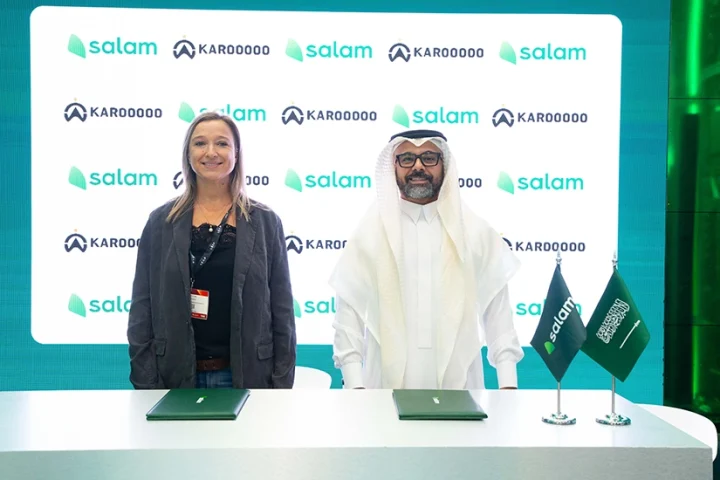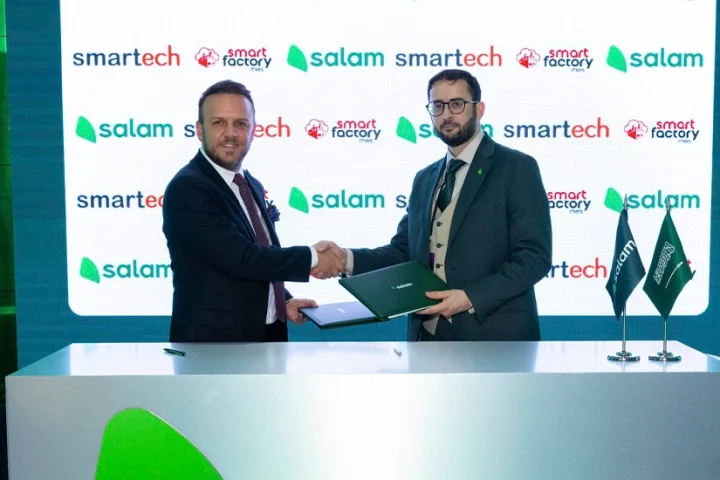


Etihad Salam Telecom Company took the stage at LEAP 2026 in Riyadh on Monday with a repositioned enterprise arm, Salam B2B 2.0, that changes what the operator sells to Saudi organisations and how deep into their technology estates it expects to go. The company has spent two decades running one of the region’s established telecom networks. The new portfolio asks buyers to treat it as the party that designs, deploys and manages the integrated systems running across that network.
The starting point is a number the industry rarely puts in a launch release. Salam cites industry estimates that 77% of digital transformation projects fail to deliver long-term results, and has built its pitch around closing that gap rather than adding another supplier to the stack.
The market is large enough that execution has become the scarce commodity Saudi Arabia’s digital economy is projected to reach SAR 495 billion in 2026, contributing 15% to national GDP, and the ICT market has passed SAR 180 billion, making it the largest technology market in the region. Vision 2030 targets a 19.9% GDP contribution from the digital economy by the end of the decade. Capital and ambition are both present in quantity. What organisations report struggling with is turning investment into working outcomes, and that is the space Salam has moved into.
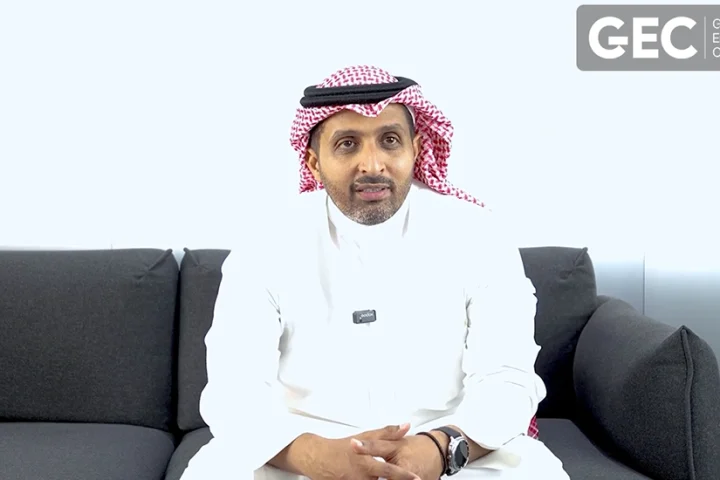
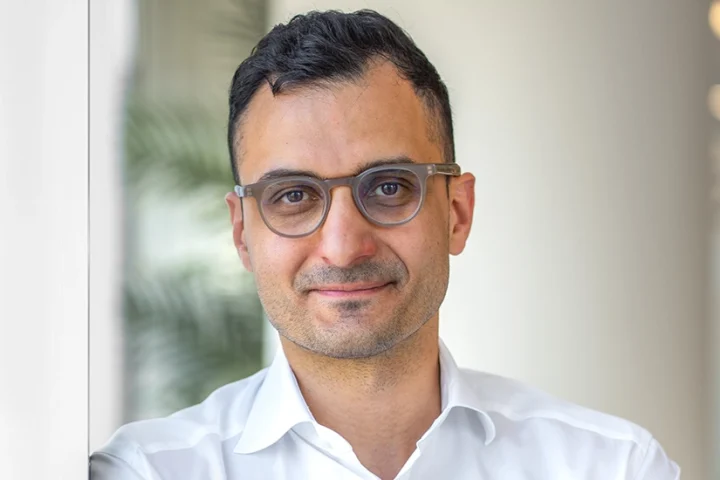
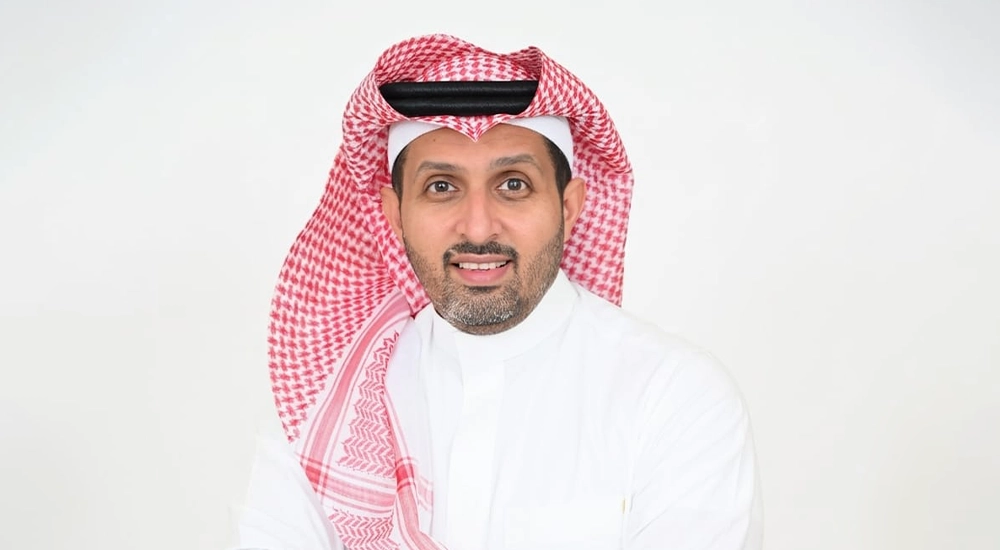
Abdullah Khorami set out the shift in the company’s own terms. “For years, Salam has operated as an IT services provider, supporting enterprises with essential connectivity and infrastructure needs,” he said.
“Today, we are evolving into a full-spectrum digital transformation partner, offering a robust portfolio of solutions capable of designing, deploying, and managing the integrated solutions that enterprises need to compete in a digital-first world.”
Khorami added that the company intends to deepen relationships with existing clients, expand the value it delivers to them, and establish Salam as the most credible technology solutions partner in the kingdom.
What the portfolio covers and which buyers it is aimed at
Salam B2B 2.0 spans AI, 5G, cybersecurity, cloud computing, managed services, professional services, hosting and IoT. The vertical list is deliberately broad: healthcare, education, hospitality and tourism, logistics, government, banking and financial services, sports and entertainment, energy, aviation, and defence and security.
That combination of connectivity assets and services layers puts Salam in a familiar competitive position for regional operators, selling against systems integrators and global cloud providers on the strength of domestic infrastructure, local delivery teams and existing government relationships. The company’s subsidiaries,
Salam Mobile Telecom Company and Technical Links Services, handle delivery across the kingdom.
Khorami tied the timing to the wider national programme. “Saudi Arabia is at a defining moment in its digital journey, and the enterprises and government organizations driving that journey need a partner with the expertise, vision, and integrated solutions to help them move forward with confidence,” he said. “That is what Salam represents, and we are ready to deliver.”
For CIOs walking the LEAP floor this week, the practical question is what a repositioned telco brings that a specialist integrator does not. Salam’s answer rests on owning the network underneath the workload, which matters most where data residency, latency and single-vendor accountability are procurement requirements rather than preferences.