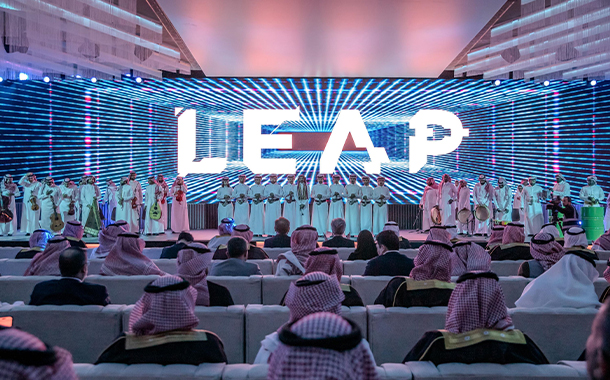




The Saudi Ministry of Communications and Information Technology (MCIT) has signed a strategic agreement with Snap Inc. to equip 20,000 Saudis with digital skills by 2030. Managed by the Saudi Digital Academy, the programmes will focus on augmented reality, digital marketing, and spatial computing to support the Kingdom’s growing creative economy and digital transformation goals.
The Ministry of Communications and Information Technology has signed a strategic agreement with Snap Inc. to equip more than 20,000 Saudis with digital skills by 2030, with the Saudi Digital Academy named as the implementing partner.
The agreement establishes what the two parties are calling a Digital Innovation Ecosystem, an umbrella covering three components. A Center of Excellence handles talent development. An Innovation Center focuses on digital economy enablement. A Digital Sustainability Initiative runs online safety and well-being programmes through schools.
The training tracks the tools people are hired to use
Three named programmes sit under the Center of Excellence, and each targets a different point in a career.
Snap Digital Academy is an in-person Arabic-language course for working digital marketing professionals, covering campaign management and performance measurement, and ending in a professional certification. Snap Virtual Lens Challenge combines self-paced modules with live workshops on augmented reality, teaching lens design in Lens Studio. Snap Graduate Program places recent graduates into hands-on work experience with career mentorship, with pathways into Snap or its partner network.
The subject list runs across digital marketing, augmented reality, spatial computing and digital safety, which maps closely onto roles the creative economy is currently hiring for in the Kingdom.
Abdulla Alhammadi, managing director for Saudi Arabia at Snapchat, said the partnership reflects a long-term commitment to the Kingdom’s digital transformation and to investing in national talent. “We believe that digital innovation begins with empowering people and equipping young individuals with the practical skills and experiences they need to seize opportunities in emerging digital sectors,” he stated.
Content skills are being treated as economic infrastructure
The ministry has positioned the agreement within a wider strategy on the creative economy and the digital content industry, rather than within general IT training.
Mohammed Al-Robayan, deputy minister for future jobs and capabilities at MCIT, said the collaboration builds on the Kingdom’s strategy to develop national capabilities and strengthen skills that support the creative economy, linking them to opportunities in the global digital economy. The aim, he explained, is to help the next generation of Saudi talent “create competitive digital experiences, develop locally relevant content with global reach, and contribute to the growth of future-focused industries”.
That distinction matters for how the programmes are structured. Certification in campaign performance measurement and training in lens development produce people who can build and monetise on platforms, which is a different output from general software engineering pipelines.
Through the Innovation Center, the two parties will also run Saudi Digital Success Stories on Snap, profiling entrepreneurs and creators who have built businesses through the platform. The Digital Sustainability Initiative will develop awareness programmes with schools on safe and responsible use of digital platforms.
The partnership was signed against a period of rapid expansion in the Kingdom’s digital sector, supported by sustained investment in advanced technologies and in national talent development, and contributes to the digital economy objectives set out under Saudi Vision 2030.