



A study by IDEMIA Secure Transactions highlights a significant gap between digital adoption and security awareness in the UAE. While 97% of residents are frequent digital users, 63% have experienced hacking or data theft—nearly double the global average. The findings suggest that trust and integrated security features are now essential for maintaining consumer confidence in the Emirates.
The IDEMIA Secure Transactions (IST) study, conducted across 11 countries with more than 3 300 respondents1, highlights a challenge for the digital economy. The rapid evolution of digital technologies is creating a growing gap between adoption and understanding. In the UAE, where digital transformation is advancing rapidly across payments, connectivity and digital services, trust is becoming a defining factor in how consumers engage with technology.
The findings arrive at a pivotal moment for the UAE. The country’s National Cyber Security Strategy (2025–2031) is now in force, the Central Bank has mandated the elimination of SMS-based one-time passwords for financial transactions, and a newly enacted financial regulatory framework under Federal Decree-Law No. 6 of 2025 has broadened oversight to cover fintechs, digital wallets, and payment service providers. Against this backdrop, IDEMIA Secure Transactions’ report offers a rare consumer-level view of how people in the UAE are experiencing and responding to these shifts.
Key findings in the UAE
- 97% of UAE residents report high digital usage
- 63% of UAE residents have experienced hacking or data theft (vs. 38% global average).
- 32% say these incidents resulted in direct financial consequences, more than double the global average.
- 71% are concerned about personal data theft through cyberattacks or hacking
- 86% would be interested in using their physical payment card as a strong authentication method to verify their identity online.
Digital adoption remains strong despite important cyber concerns
The UAE continues to stand out as one of the world’s most digitally engaged markets. Nearly all respondents (97%) describe themselves as frequent users of digital tools and services, while 79% say they do everything they can online or on their smartphone. This reflects the country’s rapid digital transformation across payments, connectivity and online services.
Consumers are becoming increasingly aware of the risks associated with a highly connected world. The study reveals that 63% of UAE respondents have already experienced hacking or data theft, significantly above the global average (38%), while 32% report that these incidents resulted in direct financial consequences. Yet rather than slowing digital adoption, these concerns are reshaping expectations. Consumers increasingly expect security to be built into the services they use, without compromising convenience or user experience.
Trust is becoming a key differentiator for digital services
Cybersecurity is no longer viewed as a technical feature, but as a core component of digital trust. 40% of UAE respondents cite security as the primary criterion when choosing between digital services, ahead of many traditional user experience considerations.
The research highlights awareness of emerging threats. Artificial intelligence is widely perceived as making cyberattacks more sophisticated (61%), while quantum computing is beginning to enter public discussions around the future of cybersecurity. Among respondents familiar with quantum computing, 83% already see it as a potential cybersecurity threat, highlighting growing awareness that the security landscape is evolving rapidly.
Security expectations are extending to payments and digital services
Despite concerns around cyber threats, UAE consumers largely embrace digital payments and connected services. What is changing is not the pace of adoption, but the expectations attached to these services.
Consumers are showing particularly strong interest in features that provide greater visibility, control and protection. For example, 85% would like to view all websites and applications linked to their payment card directly from their banking app, while 86% would be interested in using their physical payment card as a strong authentication method for online identity verification. The findings reinforce a broader trend observed globally: security is increasingly becoming part of the expected user experience rather than an optional add-on.
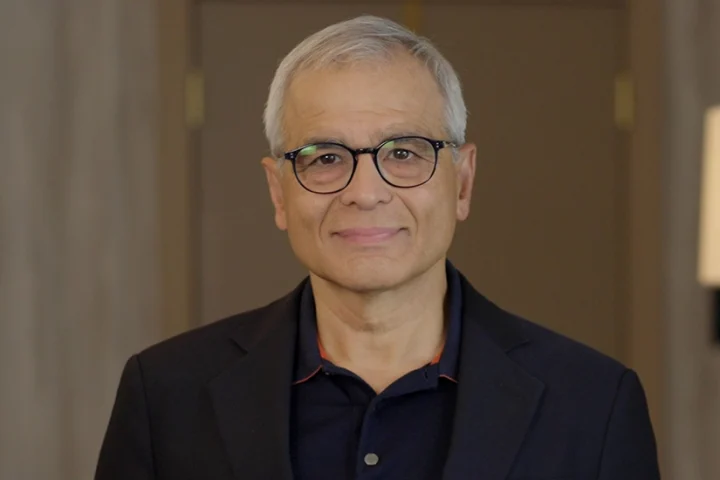
“The UAE is one of the world’s most advanced digital economies, and its consumers are demonstrating that trust and innovation must evolve together. As a company securing billions of digital interactions every year, we see firsthand at IDEMIA Secure Transactions how expectations around trust and security are evolving. As digital ecosystems become increasingly connected and emerging technologies such as AI and quantum computing reshape the cybersecurity landscape, building trust will become one of the defining challenges of the digital economy,” commented Marc Bertin, CTO at IDEMIA Secure Transactions.
As a global provider of secure payment, connectivity and cybersecurity solutions, IST works with financial institutions, telecom operators, automotive and IoT manufacturers, as well as digital service providers worldwide to secure interactions at scale. The study reflects IST’s broader commitment to understanding how trust, security and emerging technologies are shaping the future of digital services.
The report also underscores the importance of secure-by-design technologies such as encryption, authentication and tokenization, which help strengthen trust while maintaining seamless user experiences.