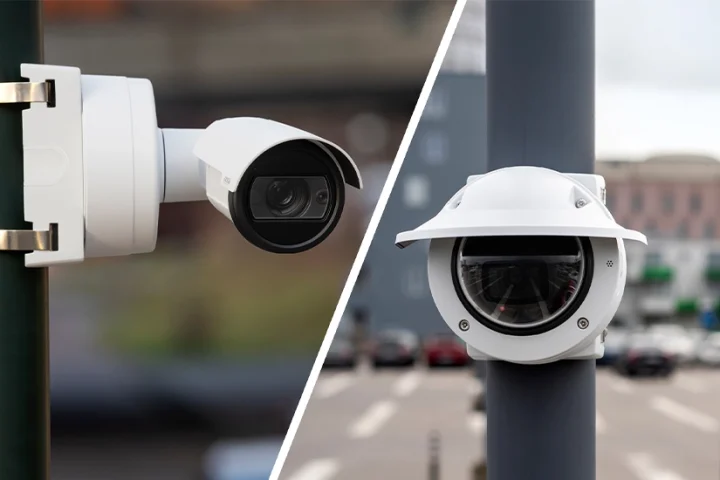



The need for explosion-protected security and surveillance solutions has given birth to a new portfolio of devices built for that purpose. Regulations have played a role in reinforcing this need. The globally recognised IEC Zone system and IEC 60079 set of standards, specify hazardous areas and what equipment can be used in them, writes Jesper Olavi at Axis Communications.
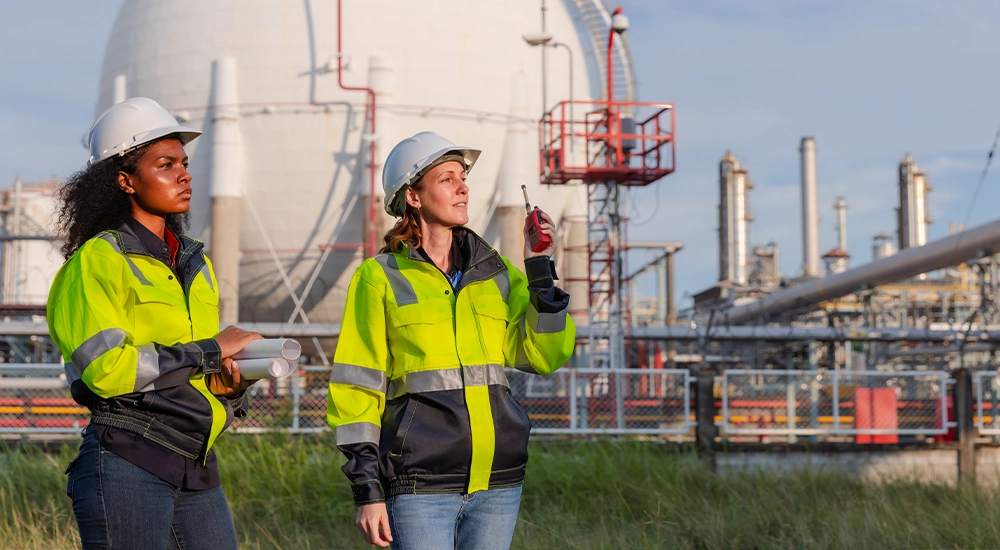
No two workplace environments are the same. Some carry more risks than others. In the arenas of critical infrastructure and industrial operations, firms in the Middle East face challenges balancing workplace efficiency with health and safety measures, having to deploy solutions that help protect personnel in hazardous environments.

But that balancing act does not have to come with compromises, thanks to innovations in network surveillance and the proliferation of explosion-protected devices.
Whether in a factory, mine, farm or industrial installation, there can be a risk of an explosion caused by combustible or flammable material in the presence of air being ignited. This includes typical gases and vapours that are extracted and processed, a by-product of operations, or a production additive, across all sectors.
Another method of explosion-protection, is where cameras have been designed, tested and certified to ensure that the electronics cannot emit any sparks.
The risk extends beyond just gases and vapours. Environments where large amounts of dust or fibres are present in the air, like in industries such as farming and manufacturing, can lead to serious explosions. The potential ignition sources also greatly vary. Electrical sparks caused by friction, high surface temperatures, even lightning strikes, as well as open flames and fires resulting from electrical incidents, can lead to a devastating explosion.
Many may decide to place standard surveillance cameras outside the hazardous area they are monitoring resulting in short-term savings.
The need for explosion-protected security and surveillance solutions has given birth to an entire portfolio of devices built for that purpose. Regulations have also played a role in reinforcing this need, with today’s regulations, including the globally recognised IEC Zone system described in the IEC 60079 set of standards, specifying hazardous areas and what equipment, electronic and otherwise, is authorised to be placed and used in them.
Explosion-protected cameras have traditionally been enclosed in a heavy-duty housing, typically made from aluminium or stainless steel, that prevents sparks from igniting a potentially combustible environment.
Another method of explosion-protection has recently gained a lot of interest, where the cameras have been designed, tested and certified to ensure that the electronics cannot emit any sparks or overheat, meaning that there is no need for an external enclosure, which makes them far lighter, more cost efficient and easier to install.
The global market for explosion-protected cameras is projected to grow at a CAGR of 6.5% through 2030, culminating in a value of $2.5 billion.
This type of camera can be installed in the less hazardous Zone 2, which makes up the majority of a hazardous site. These cameras can be placed in hazardous environments or areas where personnel should spend as little time as possible owing to the risk of combustion, from which they can transmit high-quality images for remote visual monitoring.
Explosion-protected cameras have also benefited from the integration of data analytics, adding a new layer to traditional monitoring and enabling operators to unlock new insights into their operations. They can be integrated with other monitoring technologies, such as heat and thermal sensors, which can detect where environmental temperatures are too high or if a piece of equipment is running too hot.
All combined, these technologies and solutions can help operators optimise their operations and carry out proactive tasks such as predictive maintenance and safety enhancements.
At a time when industry operators are working to extract as much value from any business investment as possible, many do not realise that the same can be said for their security and network surveillance infrastructure. Operators need to think long-term.
For example, many may decide to place standard surveillance cameras outside the hazardous area they are monitoring. This may result in short-term savings, but compromises accuracy by reducing the amount of detail those cameras can capture.
Operators need to think beyond the immediate results and consider the possibilities that come with today’s network surveillance solutions. There is a chance to create new efficiencies when it comes to their businesses, increasing their return on their initial investment and adopting a proactive stance to security and safety in hazardous working environments.
The integration of data analytics and artificial intelligence, based technologies takes this a step further, as we have seen across all sectors, including critical infrastructure and smart city initiatives where intelligent systems are opening up new avenues for efficiency.
The solutions can be further enhanced by adding explosion-protected network speakers, that can be triggered by events detected by the advanced algorithms in the cameras, alerting personnel on site of possible incidents.
The global market for explosion-protected cameras is projected to grow at a CAGR of 6.5% through 2030, culminating in a value of $2.5 billion and driven by factors such as increased industrial automation, an emphasis on workplace safety, and the need to comply with global safety standards.
With the Middle East home to many critical industries where personnel work in hazardous environments, businesses can seize the opportunity to enhance their health and safety with proactive surveillance solutions that take their operations forward.
Key takeaways
- The global market for explosion-protected cameras is projected to grow at a CAGR of 6.5% through 2030.
- The need for explosion-protected security and surveillance solutions has given birth to an entire portfolio of devices built for that purpose.
- Cameras have been designed, tested and certified to ensure that the electronics cannot emit any sparks or overheat.
- Solutions can be further enhanced by adding explosion-protected network speakers, that can be triggered by events detected by the algorithms.