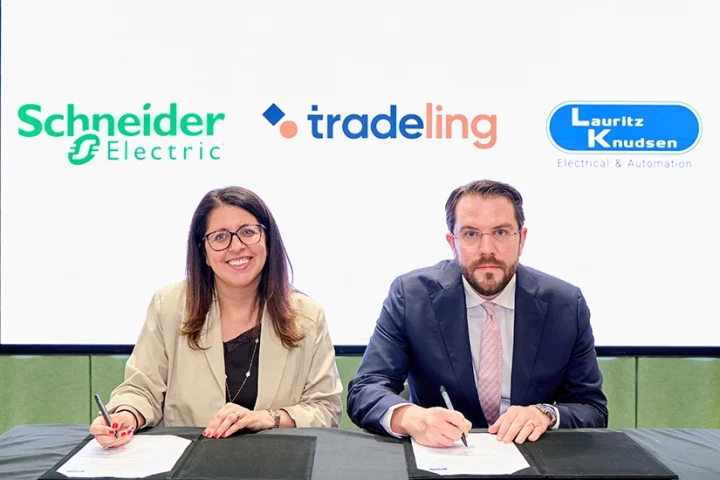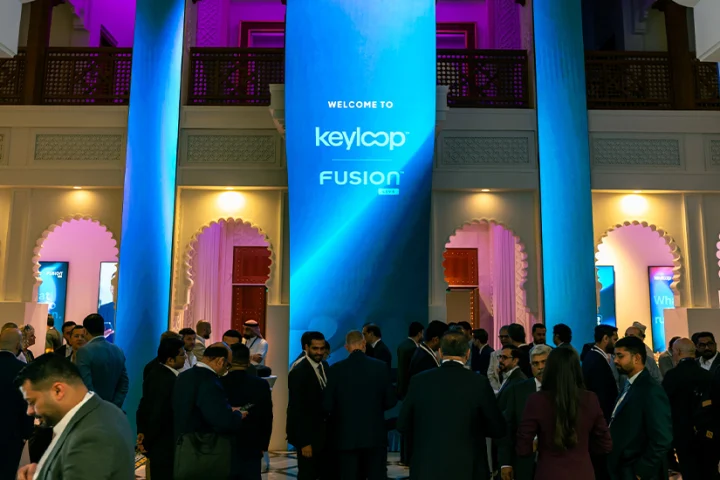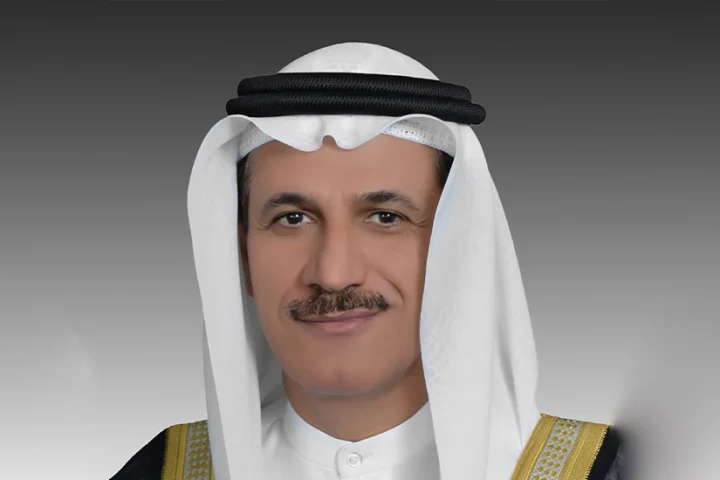



On 16 September, the UAE Ministry of Economy and Tourism and Schneider Electric signed an agreement launching the NEST Accelerator Programme. The signing took place on the sidelines of Schneider’s Innovation Summit Middle East and Africa 2026 in Abu Dhabi, after a keynote by H.E. Abdulla bin Touq Al Marri, UAE Minister of Economy and Tourism. The 12-week programme is aimed at high-potential early-stage startups across the Middle East and Africa working in energy technology, industrial technology and enterprise AI. Walid Sheta, President of the MEA Zone at Schneider Electric, said it was already under way on the day it was announced. “It’s not a concept, it’s a project that is ongoing,” he said.
The three sectors NEST targets are the ones under the most pressure from the region’s AI build-out. Sheta’s explanation of that pressure started with the infrastructure.
“The data centres that power intelligence will require double the power that they are using today,” he said. “But that’s okay, because the same intelligence, the same power of AI, can make you reduce your energy bill by up to 30%, depending on your energy profile or your market.”
He did not say over what period demand would double, or what baseline the 30% saving was measured against. The commercial logic is still clear. A region adding large amounts of AI compute needs more electricity, and it also needs the software, automation and grid technology to use that electricity well. Schneider expects much of that technology to come from companies that have not yet been founded.
The UAE’s data centre build-out is opening a market too big for incumbents to serve alone
The scale is easiest to see in Abu Dhabi – Stargate UAE is a 1GW AI cluster being developed by Khazna Data Centers, a G42 company, with OpenAI, Oracle, NVIDIA, Cisco and SoftBank. Its first 200MW of capacity is due for completion in 2026, and it sits within a wider 5GW UAE–US AI Campus. Sheta listed Khazna and G42 among Schneider’s flagship UAE customers, along with ADNOC. For ADNOC, Schneider has delivered a unified operations centre that lets the national oil company “operate and monitor all their wells from one single UOC”.
Sheta said the concentration of these projects was the reason the summit came to Abu Dhabi. “We are at the crossroads here of energy, energy transition, digital transformation and AI factories,” he said. “When you look at the landscape here in the United Arab Emirates, all these ingredients are there to nurture that innovation.”
The company’s new 3,000 square metre Innovation Hub, opened at the summit, showed what that market is buying. It included demonstrations of Schneider’s Data Cube platform, sustainable data centre design, industrial automation, water technologies and cybersecurity. Each of these areas has room for startups, from software that predicts cooling loads to tools that secure operational technology networks, provided they can meet the reliability standards of operators such as ADNOC and Khazna.
UAE manufacturers are already buying industrial AI faster than their global peers
For a founder, the most useful data released at the summit concerns customers. Schneider’s 2026 Industrial AI in CPG Study surveyed food and beverage manufacturers in the UAE. It found that 23% already consider AI a core part of their operations, against 16.3% globally. 59% expect AI to have a transformational impact on their organisations by 2030, compared with 42.2% globally. Another 38% named cybersecurity as a top priority as their use of AI grows. The release does not say how many UAE companies took part.
“Industrial AI is moving from experimentation to deployment,” Sheta said in the company’s statement on the study. “The next challenge is ensuring those deployments are secure, scalable and capable of delivering measurable business outcomes.”
Those three requirements, security, scale and measurable results, are where early-stage companies most often struggle when they sell to industrial buyers. They are also where NEST plans to focus its mentoring.
The government’s interest in the programme reflects its own targets. In his keynote, Bin Touq said small and medium-sized enterprises make up more than 95% of businesses in the UAE. He pointed to reforms that allow 100% foreign ownership across more than 2,000 economic activities and that extend Golden Visas of up to 10 years to entrepreneurs. He said hosting the summit reflected “growing international confidence in the country’s position as a global hub for entrepreneurship, innovation and technology.”
Under its Entrepreneurial Nation programme, the Ministry has a public target of 20 unicorns based in the UAE by 2031. The Ministry said NEST would give startups technical expertise, mentoring, partnership opportunities and market connections.
NEST is the latest step in a startup strategy Schneider has been building for years
Schneider’s work with startups did not start in Abu Dhabi. Its venture arm, SE Ventures, manages a €500 million second fund for climate and industrial technology. In April 2025, it ran a 12-week accelerator for North American startups, with each one receiving a $100,000 SAFE investment and mentoring from Schneider experts. Before NEST, Schneider had also partnered with the Ministry of Economy’s NextGen FDI programme to support climate-tech startups setting up in the UAE.
Through that partnership, it offered go-to-market support and incubation, and introductions to the more than 35 companies in its global portfolio with which it has long-term commercial partnerships.
NEST brings that model to the Middle East and Africa, with a government co-signatory and the same 12-week format. Neither the Ministry nor Schneider has disclosed the size of the first cohort, the application timetable or whether startups will receive investment. According to the company, a specialised third-party accelerator will deliver the programme under Schneider’s supervision. Sheta said the startups would be hosted at Schneider’s regional headquarters in Dubai, known as the Nest.
Sheta wants founders who can run a company as well as build a product
When asked what Schneider would actually do for the startups, Sheta stressed management training over engineering. “We are going to train them, not only on technicalities, but on running companies,” he said. That focus reflects a common experience in the region. Technically strong startups often stall when they have to manage procurement cycles, safety certification and the long sales processes that come with utilities, oil companies and data centre operators.
Schneider is well placed to teach that; it has been in the UAE for more than 30 years, and Sheta said that over that time the company has relied on local talent and technology to keep up with “this humongous economic development”. Its global network, of 160,000 employees and about 1 million partners in more than 100 countries, is the route to market that NEST startups would eventually want to use.
Sheta was careful to describe that outcome as optional. “First, we are going to nurture them in our own premises,” he said. “We are going to give them the means. Once they take off, they could become partners in the future if they want.”