


With Gen Z set to make up 27% of the global workforce at the end of 2025, organisations are entering a new phase of workforce expectations. This generation brings a different set of priorities that are already influencing how work is structured. This shapes their expectations for more seamless and intuitive work experiences.
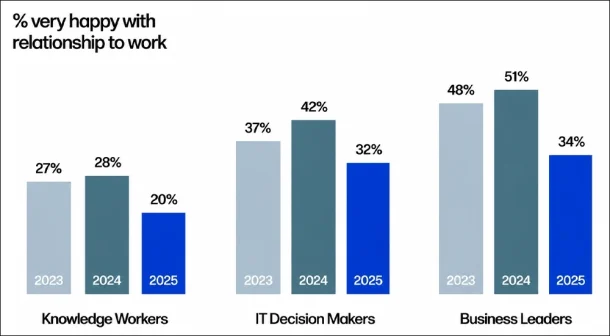
Insights from HP’s Work Relationship Index 2025 show that only 20% of knowledge workers report having a healthy relationship with work, down 8 points from 2024. At the same time, 62% of desk-based workers say company expectations have risen over the past year.
There is also a clear gap in leadership and culture. Just 15% of employees feel senior leaders demonstrate the behaviours they expect. When combined with the perception that businesses are prioritising outcomes over people, it creates an experience that can feel demanding but not always rewarding.
Employees are looking for greater clarity, stronger support, and a more meaningful connection to their work.
What this highlights is that the challenge goes beyond workload; it’s about alignment. Employees are looking for greater clarity, stronger support, and a more meaningful connection to their work.
For leaders, this is a defining moment. The opportunity lies in rethinking how work is designed; to balance performance with people-centricity, and ensure employees are equipped, supported, and empowered to do their best work.

Aspirations of new workforce
With Gen Z set to make up 27% of the global workforce at the end of 2025, organisations are entering a new phase of workforce expectations.
This generation brings a different set of priorities that are already influencing how work is structured. They are more digitally fluent, with 31% describing themselves as proficient in technology and AI. This shapes their expectations for more seamless and intuitive work experiences.
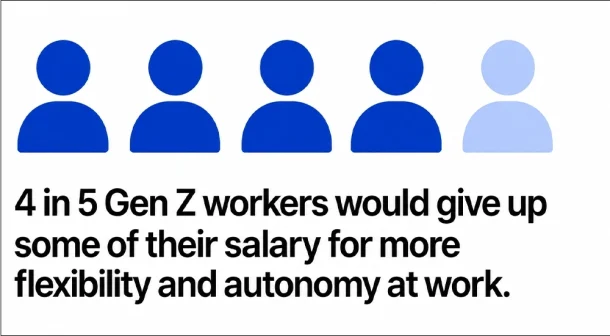
There is also a strong emphasis on autonomy. The data shows that 51% of Gen Z have a side hustle, reflecting a more independent and flexible approach to career paths. Flexibility also stands out. 4 in 5 Gen Z workers say they would give up part of their salary for more flexibility and autonomy at work.
4 in 5 Gen Z workers say they would give up part of their salary for more flexibility and autonomy at work.
As a result, expectations from employers are evolving. There is a growing demand for environments that offer flexibility, align with personal values, and provide access to the right tools to support how people want to work.
Taken together, these shifts point to a workforce that is more intentional about how they work and engage with employers.

Importance of fulfilled employees
Fulfilment is at a historic low, yet its impact on both employee wellbeing and business performance has never been clearer. According to HP’s Work Relationship Index 2025 points, 45% of desk-based workers feel their company is prioritising profit over people. It highlights a significant opportunity for organisations to rethink how work is experienced.
Technology plays a central role in this shift, and employees are clear about what they need. Advanced AI tools and more efficient hardware rank among the top priorities for improving effectiveness at work. When implemented well, these tools can meaningfully improve day-to-day experiences. The Index shows that 42% of employees with a healthy relationship with work are already using AI tools daily, reinforcing the link between the right technology and a better work experience.
They are more digitally fluent, with 31% describing themselves as proficient in technology and AI.
There is also a clear business case. Employees who feel fulfilled are three times more likely to feel connected to colleagues and achieve better work-life balance, demonstrating how fulfilment translates into stronger organisational outcomes. Fulfilment is shaped by how effectively organisations equip their people to succeed.
Aligning work experience, technology, culture
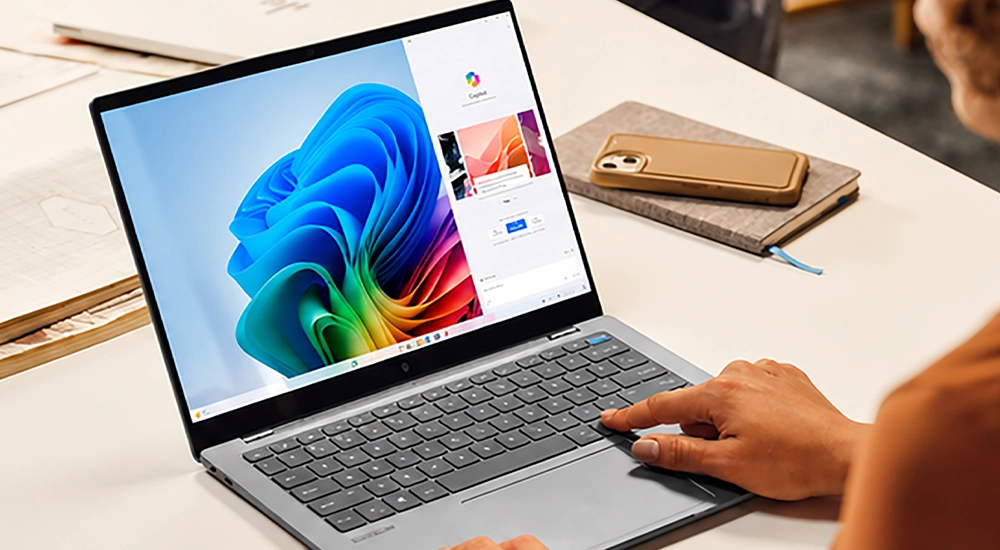
What’s emerging in recent years is a shift from managing work in parts to designing it as a single, cohesive experience. Culture, technology, and work are all interconnected, and employees experience them as one.
If one element is uncoordinated, it’s immediately felt. For example, advanced tools without the right culture can create pressure, while a supportive culture without the right technology can slow people down. In both cases, productivity is impacted, but so is engagement. The expectation lately is for these elements to work together seamlessly, creating an environment where work feels intuitive rather than fragmented.
45% of desk-based workers feel their company is prioritising profit over people.
This is important in today’s context, where expectations are rising and work is becoming more complex. Employees are navigating hybrid models, increased demands, and new technologies all at once. When the experience is well-aligned, it reduces friction and allows people to focus on meaningful work. Otherwise, it adds layers of complexity that can lead to disengagement.
With 85% of the factors influencing workplace fulfilment are within an organisation’s control, it highlights that alignment is not accidental. In fact, fulfilment can be actively designed and improved upon by organisations. At its core, fulfilment is driven by a set of interconnected enablers.
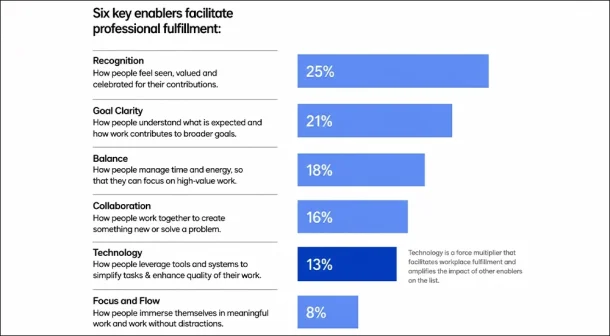
Recognition, clarity, collaboration, technology, and focus together shape how people experience work today. When these elements are consistently in place, they create an environment where employees feel supported and can perform at their best.
Improvement by organisation leaders
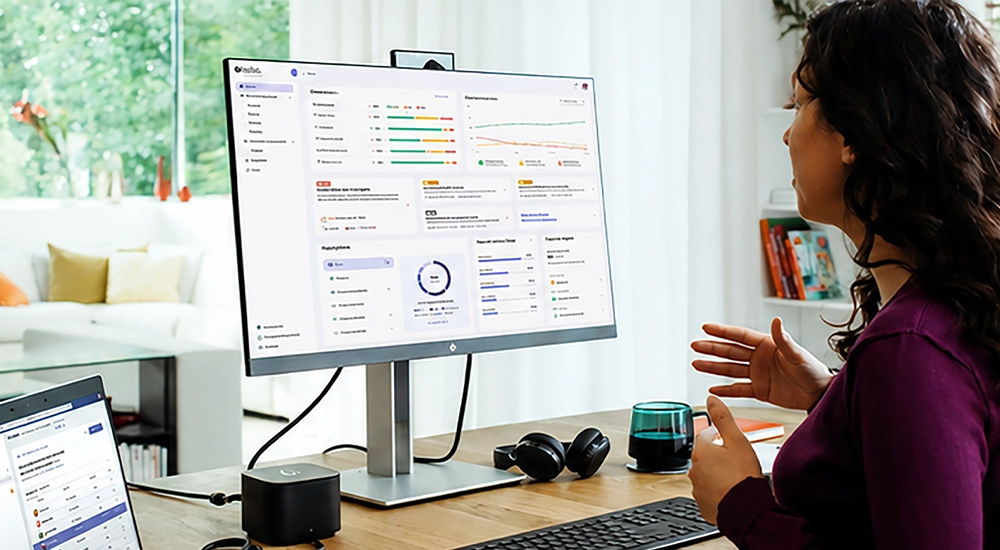
Leadership today is less about giving direction and more about creating the right conditions for people to do their best work.
One area that stands out is how comfortable people feel at work. Our research shows that only 12% of employees feel encouraged to express their emotions, which suggests there’s still a gap in creating open, supportive environments.
This highlights an opportunity for organisations to rethink how work is experienced.
Clarity is another important piece. As work becomes more fast-paced, hybrid and complex, people want to understand both what they’re doing and also why it matters. That comes down to how clearly leaders communicate and connect everyday work to bigger goals.
There’s also the question of support. With 62% of employees saying expectations at work have increased, it’s important that leaders make sure teams have what they need to keep up – whether that’s the right tools, or simply the space to focus.
In the end, small things matter more than big statements. How leaders show up day to day, how they listen, and how consistent they are all play a role.
Primary findings of HP’s Work Relationship Index
The HP Work Relationship Index, WRI 2025 is a global study designed to understand how people experience work today and what drives a healthy relationship with it.
Now in its third year, the Index is based on insights from over 18,000 respondents across three key groups: knowledge workers, IT decision-makers, and business leaders. Spanning 14 countries, this broad dataset allows HP to assess work across the full workplace ecosystem.
At its core, the WRI measures key dimensions such as fulfilment, leadership, and people-centricity, while also examining the role of technology, expectations, and workplace culture in shaping employee experience.
The 2025 Index highlights six key shifts:
Work is not working
Only 20% of knowledge workers report a healthy relationship with work, highlighting a significant gap in fulfilment. 62% of employees say expectations have increased, pointing to rising pressure in the workplace
Organisations have control
85% of the factors influencing work experience are within an organisation’s control, reinforcing the opportunity for leaders to drive change
Fulfilment drives growth
Fulfilled employees are three times more likely to feel connected and achieve work-life balance, directly impacting performance
Technology is a key enabler
42% of employees with a healthy relationship with work use AI tools daily at work
AI is a priority
Adoption is rising. 4 in 10 knowledge workers use AI daily, and those with access report stronger work relationships
Gen Z is shaping the future
51% of Gen Z have a side hustle, and 4 in 5 would trade salary for flexibility, reflecting shifting expectations around autonomy and work design
Overall, the WRI serves as both a diagnostic and directional model, helping organisations better understand the factors that shape work today and where to focus to improve employee experience.
Primary findings of the WRI Index survey
Work relationships are declining
Only 20% of knowledge workers report being very happy with their relationship with work in 2025, down from 28% in 2024. Similar declines are seen among IT decision-makers, 32% and business leaders, 34%, indicating a broad-based drop in workplace satisfaction.
Fulfilment is driven by clear enablers
The Index identifies six core drivers of fulfilment, led by recognition, 25% and goal clarity, 21%, followed by balance, collaboration, technology, and focus. These factors together shape how employees experience and engage with work.
AI adoption is rising, but uneven
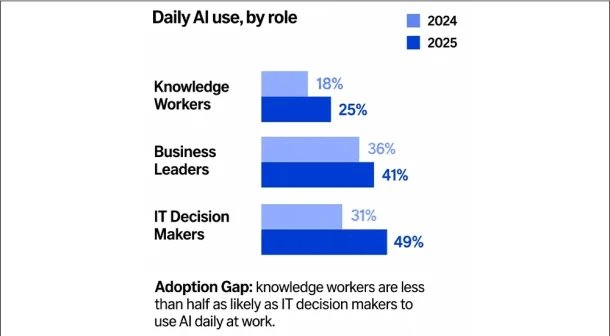
Daily AI usage is increasing across roles reaching 25% among knowledge workers, 41% for business leaders, and 49% for IT decision-makers in 2025. However, a clear adoption gap remains, with knowledge workers less than half as likely as IT leaders to use AI daily.
Gen Z is redefining expectations
4 in 5 Gen Z workers would trade salary for flexibility and autonomy, reinforcing the growing importance of flexible, personalised work models.